
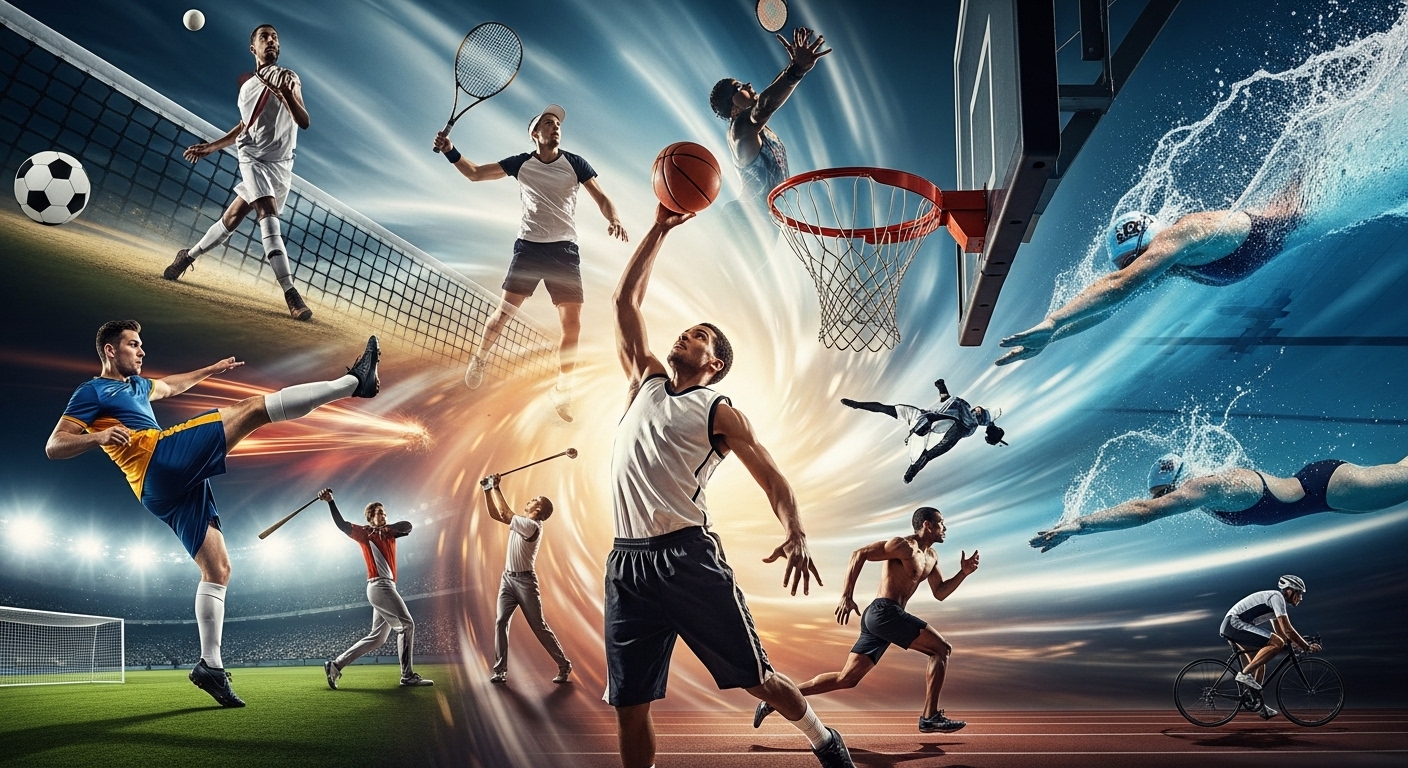
Sports have long been a central part of human culture, providing entertainment, fostering community, and promoting physical well-being. But in recent years, the world of sports has been undergoing a profound transformation. From groundbreaking technological advancements to the rise of new forms of competition, the sports landscape is changing at an unprecedented pace. In this blog post, we’ll explore the exciting developments that are reshaping the world of sports and what the future holds for athletes, fans, and the industry as a whole.
Technology in Sports: Changing How We Play and Watch
Technology has become a driving force in the evolution of sports, enhancing performance, improving fan experiences, and creating new opportunities for athletes. One of the most significant technological innovations in recent years is the use of data analytics. Professional teams across various sports are now leveraging vast amounts of data to improve training, strategize game plans, and even predict player injuries before they occur. In basketball, for instance, advanced statistics like player efficiency ratings and shot trajectories have revolutionized how teams approach the game, while in soccer, performance data helps managers make tactical decisions based on individual player metrics.
Moreover, wearable technology has become a key part of athletes’ training regimens. Devices like smartwatches and fitness trackers allow athletes to monitor their health in real-time, tracking everything from heart rate to sleep patterns. These tools help athletes optimize their performance and minimize the risk of injury by providing insights into their physical condition.
On the fan side, technology has enhanced the viewing experience in ways that were once unimaginable. High-definition broadcasts, virtual reality, and interactive apps allow fans to feel closer to the action, no matter where they are. Virtual reality, for example, is transforming how we experience sports by giving fans the chance to immerse themselves in a game as if they were sitting courtside or standing on the field.
The Rise of Esports: Redefining Competition
While traditional sports have long been the dominant form of athletic competition, the rise of esports is proving that the definition of sports is expanding. Esports, or competitive video gaming, has seen explosive growth over the past decade, attracting millions of viewers and transforming gaming into a multi-billion-dollar industry. Tournaments for games like League of Legends, Dota 2, and Fortnite now rival traditional sports in terms of viewership, prize money, and sponsorship deals.
Esports has become more than just a form of entertainment; it’s a legitimate career path for many young gamers. Professional gamers, coaches, and analysts are now part of a growing ecosystem that includes gaming academies, esports leagues, and even college scholarships for competitive gaming. What was once considered a niche hobby is now a global phenomenon that continues to gain mainstream acceptance.
The popularity of esports also points to a broader cultural shift in how we view athleticism. While traditional sports are physically demanding, esports require a different set of skills, such as hand-eye coordination, strategic thinking, and mental agility. As esports continues to grow, it’s clear that the future of sports will be defined by a more inclusive and diverse range of competition, where players of all types can showcase their abilities.
Inclusivity in Sports: Breaking Down Barriers
One of the most significant trends in the world of sports today is the increasing focus on inclusivity and diversity. In the past, certain sports were often associated with specific genders, races, or abilities, creating barriers for many people. However, over the years, the push for equality has led to major changes, making sports more accessible to people from all walks of life.
The rise of women’s sports has been one of the most notable changes in recent years. Women’s soccer, basketball, tennis, and other sports have gained significant media attention, sponsorship deals, and fan bases. Female athletes like Serena Williams, Simone Biles, and Megan Rapinoe have not only become icons within their respective sports but have also been catalysts for greater gender equality in sports coverage and representation. Major sporting events like the Women’s World Cup and the WNBA finals have broken viewership records, demonstrating the growing interest and demand for women’s sports.
In addition to gender inclusivity, there has been a growing focus on adaptive sports for individuals with disabilities. The Paralympic Games have gained increasing visibility and importance, showcasing the incredible abilities of athletes with disabilities. Sports like wheelchair basketball, adaptive rowing, and para-athletics are not just competitions—they are powerful statements about the capabilities of people with disabilities.
Moreover, sports organizations are making strides toward ensuring that athletes from diverse racial and ethnic backgrounds are represented at every level of competition. From grassroots initiatives to professional leagues, there is a concerted effort to create opportunities for underrepresented communities, encouraging people of all backgrounds to participate and excel in sports.
Mental Health and Athlete Well-being: Changing the Conversation
Another important shift in the sports world is the growing recognition of mental health as a critical component of an athlete’s overall well-being. For years, mental health issues in sports were either overlooked or stigmatized, but today, more athletes are speaking openly about their struggles with anxiety, depression, and stress. High-profile athletes like Naomi Osaka, Simone Biles, and Michael Phelps have shared their personal battles, helping to destigmatize mental health issues and encourage others to prioritize their mental well-being.
This shift in perspective is leading to more comprehensive mental health support systems for athletes. Professional teams are increasingly offering mental health services, and coaches are learning how to address the emotional and psychological needs of their players. At the youth and amateur levels, there’s also a growing awareness of the pressures placed on young athletes and the importance of fostering a balanced approach to sports, where mental health is just as important as physical performance.
The increasing focus on mental health in sports is not just about supporting athletes; it’s also about creating healthier and more sustainable careers. By addressing mental health openly and proactively, sports organizations can ensure that athletes remain in peak condition—not only physically but mentally as well.
The Future of Sports: Globalization and New Formats
As the world becomes more interconnected, sports are following suit. The globalization of sports is breaking down regional barriers and creating new opportunities for athletes and fans alike. Major events like the Olympics, World Cup, and the NBA Finals now attract a global audience, and with the rise of streaming platforms, fans can watch games and events from virtually anywhere in the world. This global access has allowed sports to transcend national boundaries, creating an international fan base for even niche sports.
Moreover, the future of sports is likely to see more hybrid formats and innovative approaches to competition. For example, the fusion of esports with traditional sports—such as virtual sports leagues and competitive gaming tournaments based on real-world sports—could become a regular feature in the sports landscape. Similarly, the rise of fan-controlled leagues, where fans can vote on team decisions and game outcomes, may change the way we think about sports governance.
As new technologies continue to develop, we may also see more immersive ways to experience sports. Augmented reality and virtual reality could provide fans with live experiences that blur the line between the physical and digital worlds, allowing them to interact with athletes or watch games from different perspectives.
Conclusion: Embracing Change and Looking Ahead
The future of sports is undoubtedly exciting, as technology, inclusivity, and evolving attitudes shape the way we engage with athletic competition. From the rise of esports to the growing focus on mental health and diversity, the sports world is becoming more inclusive, accessible, and innovative than ever before. These changes not only make sports more enjoyable for fans but also ensure that athletes have the support they need to thrive both on and off the field.
As we look to the future, the possibilities for the sports world are limitless. Whether it’s through technological advancements, the breaking down of barriers, or the shift towards mental well-being, one thing is clear: sports will continue to play a crucial role in bringing people together and inspiring future generations to chase their dreams.