
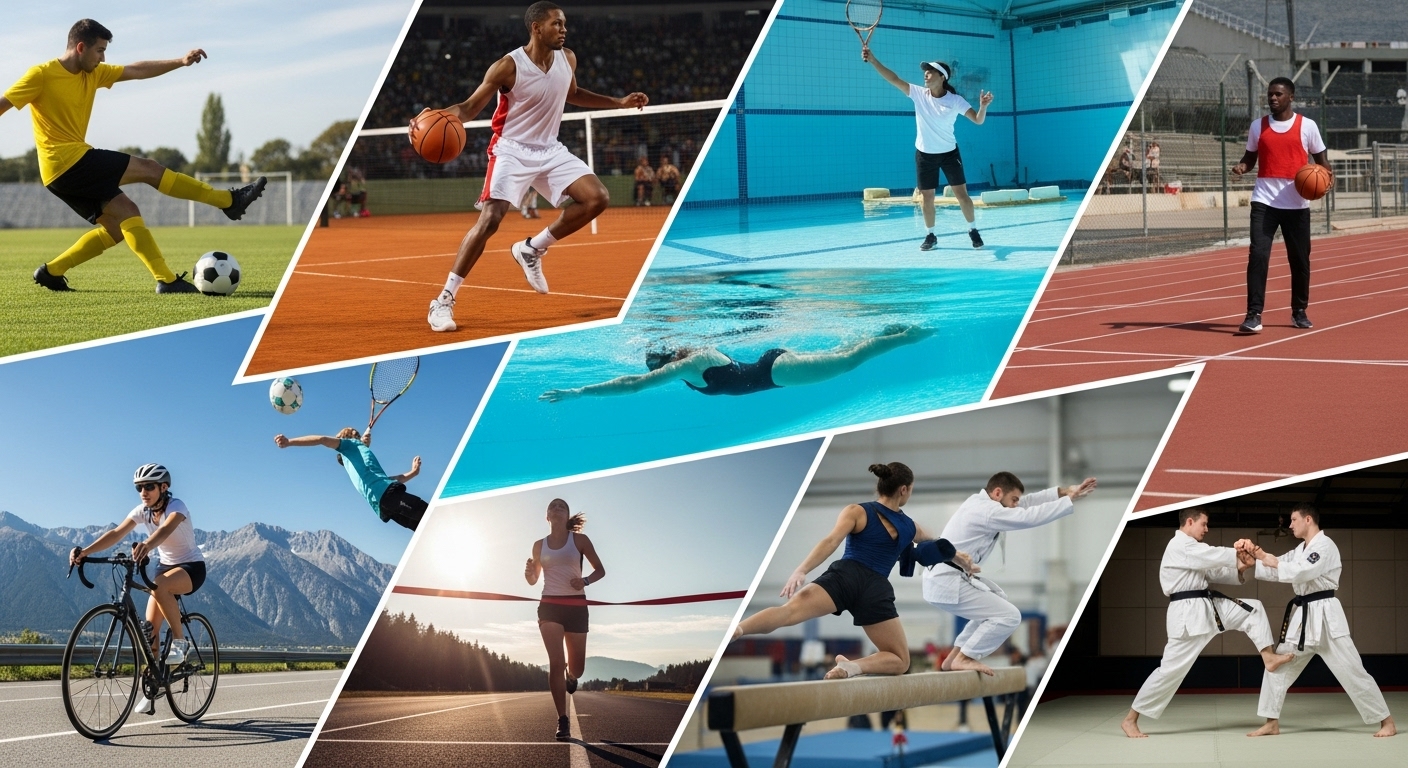
Sports have always played a unique role in human society. From ancient civilizations to modern cities, the act of competing, watching, and celebrating athletic achievement has been a constant source of joy, inspiration, and cultural identity. Beyond the surface level of physical activity, sports embody human values, teach life lessons, and connect people across different backgrounds. In this blog, we’ll explore the multifaceted world of sports, from its history and evolution to its impact on mental health, culture, and society at large.
The Origins of Sports
Sports are as old as human civilization itself. Ancient records suggest that competitive physical activities were present in societies dating back thousands of years. In ancient Greece, the Olympics were not merely athletic contests; they were religious and cultural events, celebrating human potential and physical excellence. Wrestling, running, and discus throwing were not only popular sports but also training for war and survival.
Similarly, ancient civilizations such as Egypt and Mesopotamia had forms of athletic competitions, often tied to festivals and ceremonies. These early sports were less about entertainment and more about discipline, skill, and societal values. Over time, sports evolved into organized competitions, laying the foundation for the modern sports industry.
Sports as a Reflection of Society
Sports reflect the values, priorities, and struggles of the society in which they exist. In many cultures, sports have been used as tools for unity, nationalism, and social change. For instance, football (soccer) in South America is not merely a game; it is a way of life. Players are national heroes, and victories on the field are celebrated as national achievements.
In other regions, sports have helped challenge societal norms. Women’s participation in sports, once heavily restricted, has grown exponentially, symbolizing broader movements for gender equality. Tennis legends like Billie Jean King not only excelled on the court but also fought for equal recognition and pay for women athletes. Similarly, athletes in various disciplines have used their platforms to speak out against racial injustice, inequality, and social issues, proving that sports are never isolated from the societal context in which they exist.
The Evolution of Modern Sports
Modern sports, as we recognize them today, are products of centuries of evolution. The 19th and 20th centuries saw the formalization of rules, establishment of leagues, and professionalization of athletes. Football, basketball, cricket, and tennis, among others, developed standardized regulations that allowed international competitions to flourish.
Technology has also played a significant role in transforming sports. The introduction of advanced equipment, performance tracking, and video-assisted refereeing has increased the level of fairness, competitiveness, and entertainment. Fans can now follow matches live across the globe, making sports a universal language that transcends borders.
Physical Benefits of Sports
At its core, sports are physical activities that engage the body in structured movement. Participation in sports contributes significantly to physical health. Regular involvement helps maintain cardiovascular health, strengthens muscles and bones, and enhances flexibility and coordination. Team sports, such as soccer and basketball, also improve reflexes and agility.
Sports are particularly effective in combating lifestyle-related illnesses like obesity, diabetes, and hypertension. The routine discipline of training and exercising encourages healthy living habits, which often extend beyond the sports field into daily life.
Mental Health and Emotional Wellbeing
Sports are not just about physical strength; they are a powerful tool for mental health. Participation in sports has been linked to reduced stress, anxiety, and depression. The adrenaline rush, the sense of achievement, and the social connections formed during sports contribute to emotional resilience.
Moreover, sports teach valuable life skills such as perseverance, time management, and goal-setting. Athletes learn to handle failure and criticism constructively, building mental toughness that translates into other aspects of life. For children and adolescents, sports offer an outlet for energy, a sense of accomplishment, and a structured environment that promotes confidence and self-esteem.
Teamwork and Leadership Skills
One of the most profound lessons sports impart is the importance of teamwork. In team sports, success depends on cooperation, communication, and mutual support. Athletes learn to value each member’s contribution, adapt to different personalities, and strategize collectively. These skills are highly transferable to professional and social contexts.
Leadership is another key component of sports. Captains and experienced players often mentor younger teammates, foster morale, and make tactical decisions under pressure. These experiences cultivate decision-making abilities, emotional intelligence, and accountability, highlighting the broader educational value of sports.
Sports and Global Events
Global sports events like the Olympics, FIFA World Cup, and the Super Bowl captivate millions worldwide. These events are more than competitions; they are cultural spectacles that unite people across nations. The Olympic Games, for example, embody the principles of unity, excellence, and fair play. Athletes from diverse backgrounds compete on a global stage, inspiring future generations to pursue their dreams.
Similarly, regional tournaments and leagues, such as the Indian Premier League in cricket or the NBA in basketball, not only entertain but also boost local economies, create jobs, and attract tourism. These events showcase sports as a catalyst for economic growth and international diplomacy.
The Role of Technology in Sports
Technology has revolutionized both the playing and viewing of sports. From wearable fitness devices to advanced analytics, technology enhances athletic performance and strategic decision-making. Coaches can track player metrics, identify weaknesses, and optimize training regimens, resulting in better performance and reduced injury risk.
In terms of fan engagement, broadcasting innovations, virtual reality experiences, and interactive platforms allow fans to connect with their favorite sports in unprecedented ways. Instant replays, goal-line technology, and performance analysis have made games more accurate and enjoyable, while social media provides a direct link between athletes and supporters, fostering global communities around sports.
Sports and Youth Development
Sports play a critical role in the development of young people. Participation instills discipline, promotes social interaction, and encourages physical fitness from an early age. Children involved in sports learn to handle competition, develop problem-solving skills, and build resilience against setbacks.
Moreover, youth sports programs often provide opportunities for children in underprivileged areas. Scholarships, mentorship programs, and community sports initiatives can open doors to education, careers, and personal growth that might otherwise remain inaccessible. Through sports, young individuals gain not only physical skills but also the confidence to pursue broader ambitions.
Economic Impact of Sports
The sports industry is a multi-billion-dollar global enterprise. Professional leagues, merchandising, endorsements, and broadcasting rights generate significant revenue streams. Cities hosting major events benefit from tourism, infrastructure development, and job creation.
Individual athletes also contribute economically through sponsorships and personal branding. Beyond direct revenue, sports stimulate related sectors such as fitness, apparel, and hospitality, making it a vital component of many economies. Even grassroots sports initiatives can have measurable economic benefits, fostering local engagement and entrepreneurship.
Sports as a Cultural Phenomenon
Sports are deeply embedded in cultural identity. Fans often develop intense emotional connections with teams, athletes, and events. These connections can transcend generational boundaries, creating traditions that persist for decades.
For example, in countries like Brazil and Argentina, football is more than entertainment—it is a central part of cultural identity. Similarly, cricket in India and Pakistan evokes a sense of national pride and community. Cultural festivals, chants, and rituals associated with sports highlight how deeply they are woven into the social fabric.
Overcoming Challenges in Sports
Despite its benefits, sports face challenges. Issues such as doping, corruption, and match-fixing threaten the integrity of competitions. Governing bodies continuously work to implement regulations, testing protocols, and ethical guidelines to ensure fair play.
Additionally, accessibility remains a concern. Socioeconomic barriers, gender inequality, and lack of facilities can limit participation for many individuals. Addressing these challenges requires collective efforts from governments, organizations, and communities to make sports inclusive and fair for all.
Inspirational Stories from Sports
Sports are filled with stories of perseverance, determination, and triumph against all odds. Athletes like Muhammad Ali, Serena Williams, Lionel Messi, and many others have inspired millions with their dedication, skill, and resilience. These stories transcend sports, teaching lessons of courage, hard work, and belief in oneself.
Similarly, stories of underdogs and local heroes resonate deeply with fans. A small-town athlete winning a national championship, or a team defying expectations, shows that dedication and teamwork can overcome obstacles, inspiring communities to dream big.
The Future of Sports
The future of sports promises exciting developments. Emerging technologies like artificial intelligence, virtual reality, and advanced analytics will continue to reshape training, strategy, and fan engagement. Esports, competitive video gaming, has already emerged as a global phenomenon, demonstrating how traditional concepts of sports can evolve in the digital age.
Furthermore, there is growing awareness of sustainability in sports. From eco-friendly stadiums to reducing carbon footprints associated with international events, the industry is increasingly aligning with global environmental goals. This shift reflects a broader understanding that sports are not just games—they are integral to societal progress and responsible stewardship.
Conclusion: Sports as a Human Endeavor
Sports are far more than games played on fields and courts. They are a reflection of human potential, a tool for education and social change, and a unifying force across cultures. From physical fitness and mental resilience to teamwork, leadership, and global diplomacy, the impact of sports permeates every aspect of life.
Whether you are an athlete, a fan, or someone simply inspired by stories of triumph, sports offer lessons and experiences that extend beyond the stadium. They remind us of the power of determination, the importance of collaboration, and the joy of celebrating human achievement.
In an increasingly fragmented world, sports remain a constant—a reminder that despite our differences, the spirit of competition, fair play, and shared joy can bring people together in ways few other activities can.