Introduction: The Universal Power of Sports
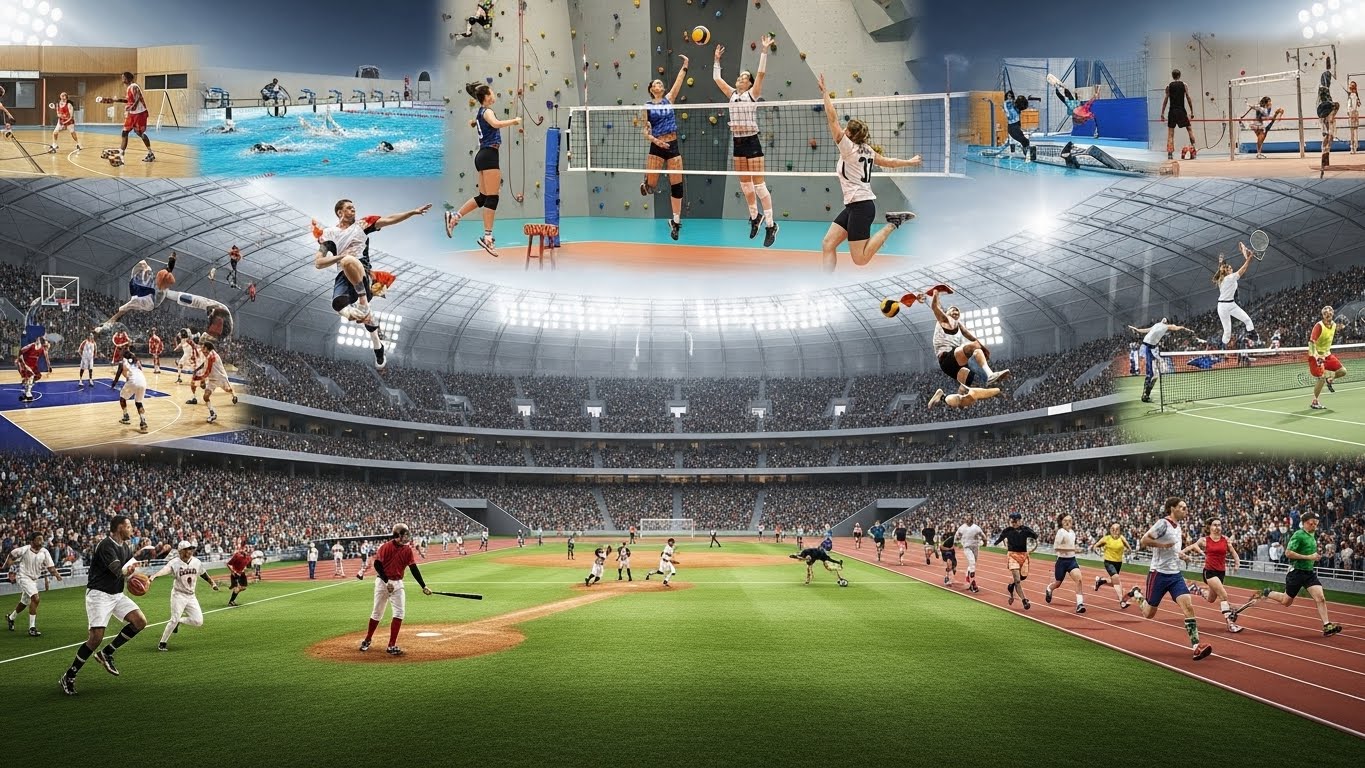
Sports have been an integral part of human society for centuries. From ancient competitions to modern professional leagues, sports provide a platform for physical excellence, personal growth, and collective celebration. They are not just games; they are cultural phenomena that reflect our values, aspirations, and creativity. Across the globe, sports unite communities, inspire individuals, and create moments of joy, triumph, and camaraderie. This blog explores the multifaceted world of sports, their impact on culture, personal development, technology, and society, highlighting why sports continue to captivate millions around the world.
The History and Evolution of Sports
The history of sports is as old as civilization itself. Ancient societies engaged in physical contests, often as part of religious or cultural rituals. The Olympic Games in ancient Greece, chariot races in Rome, and martial competitions in Asia highlight the universal human fascination with skill, strength, and strategy.
Over time, sports evolved from informal contests to organized competitions with standardized rules. The 19th and 20th centuries saw the formalization of modern sports such as football, basketball, cricket, and athletics. International competitions, professional leagues, and global tournaments emerged, turning sports into a global cultural and economic phenomenon.
Sports as a Catalyst for Physical Fitness
One of the most fundamental benefits of sports is physical fitness. Participating in sports enhances strength, endurance, flexibility, and cardiovascular health. Regular physical activity helps prevent obesity, reduces the risk of chronic diseases, and improves overall wellbeing.
Sports encourage discipline and consistency. Athletes train rigorously to improve performance, develop stamina, and refine techniques. Beyond professional athletes, individuals of all ages can benefit from recreational sports, creating healthier lifestyles while enjoying the thrill of competition and teamwork.
Mental and Emotional Benefits of Sports
Sports are not just about physical performance; they also provide significant mental and emotional benefits. Engaging in sports reduces stress, improves focus, and promotes emotional resilience. The challenges of competition teach patience, perseverance, and goal-setting.
Participation in team sports fosters collaboration, empathy, and communication. Athletes learn to handle victories and defeats with grace, building emotional intelligence. Sports provide an outlet for energy and creativity, offering a sense of purpose and achievement that contributes to overall mental wellbeing.
Team Sports and the Power of Collaboration
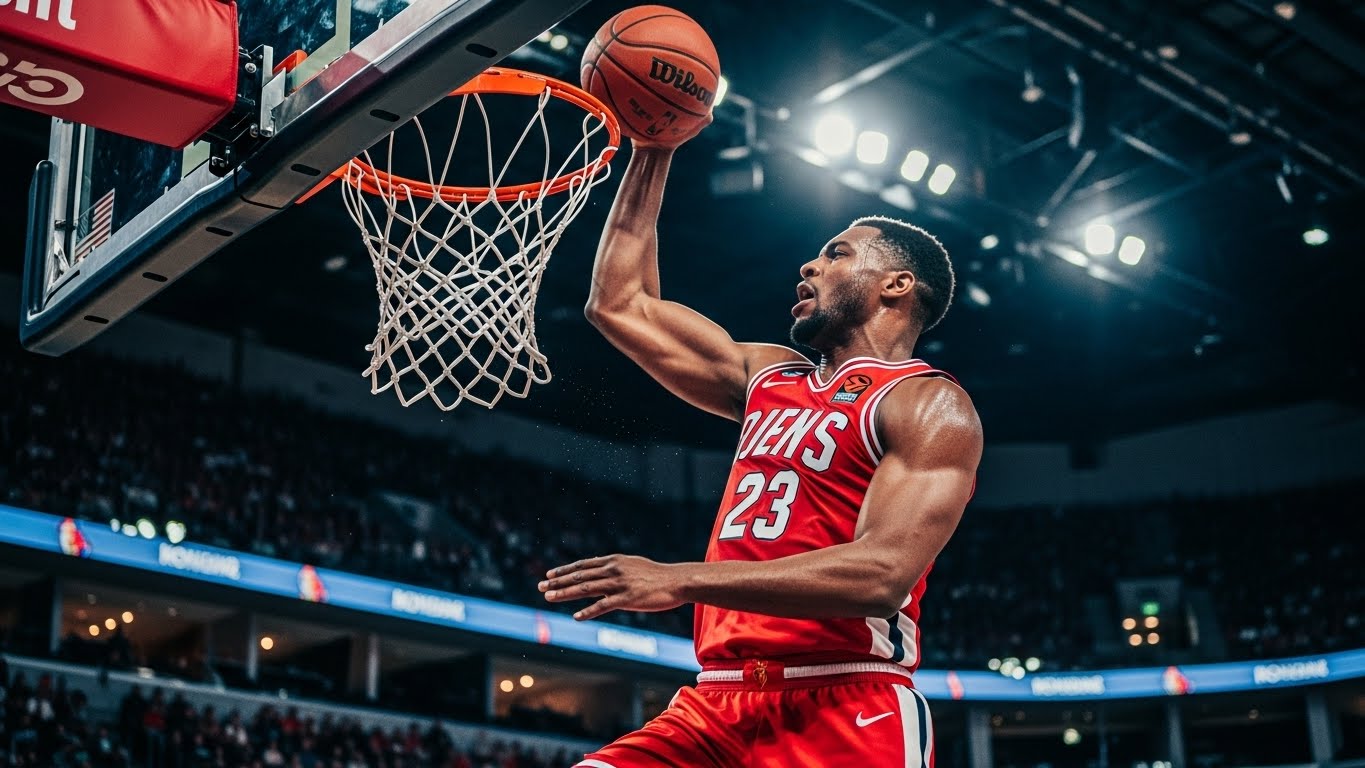
Team sports such as football, basketball, and rugby exemplify the importance of collaboration. Success in these sports depends not only on individual skill but also on coordination, strategy, and mutual trust. Players learn to communicate effectively, anticipate each other’s actions, and work toward shared goals.
Team sports teach essential life skills such as leadership, cooperation, and conflict resolution. The bonds formed on the field often extend beyond the game, creating friendships, networks, and shared memories that enrich personal and social life.
Individual Sports: Mastery and Self-Discipline
Individual sports like tennis, gymnastics, swimming, and track and field emphasize personal mastery and self-discipline. Athletes are responsible for their own performance, learning to set goals, monitor progress, and adapt strategies to achieve success.
Individual sports cultivate focus, determination, and resilience. Athletes face challenges alone, learning to overcome obstacles through perseverance and innovation. These qualities often translate into other areas of life, demonstrating that sports nurture character and personal growth as much as physical ability.
Sports and Competition: Driving Excellence
Competition is a core element of sports. It motivates athletes to push boundaries, improve skills, and strive for excellence. Competitive environments challenge individuals to assess strengths and weaknesses, make strategic decisions, and adapt under pressure.
At all levels, from local leagues to global tournaments, competition inspires creativity, innovation, and determination. It creates memorable moments of triumph and heartbreak, demonstrating the intensity and unpredictability of human performance. Competition drives progress, shaping the evolution of sports and inspiring both athletes and fans alike.
The Role of Technology in Modern Sports
Technology has transformed how sports are played, analyzed, and experienced. Wearable devices monitor heart rate, speed, and performance metrics, allowing athletes to optimize training. Video analysis tools help coaches and players refine techniques and strategies.
Additionally, innovations such as instant replay, goal-line technology, and advanced officiating systems enhance fairness and accuracy in competitions. Sports broadcasting technology has expanded global audiences, making live events accessible to millions and deepening fan engagement. Technology continues to shape both the practice and appreciation of sports.
Sports and Education: Developing Young Athletes
Sports play a crucial role in education and youth development. Schools and colleges provide structured environments for physical activity, teaching discipline, teamwork, and leadership. Participation in sports encourages healthy habits, time management, and social skills.
Youth sports programs also identify and nurture talent, creating pathways for professional careers. Beyond performance, sports help young people build confidence, resilience, and a sense of identity. These experiences often shape values and habits that last a lifetime, reinforcing the broader educational impact of athletics.
Sports as a Cultural Phenomenon
Sports reflect and shape culture. Iconic athletes, historic games, and memorable performances inspire generations. Major events like the Olympic Games, FIFA World Cup, and Wimbledon transcend national boundaries, creating shared experiences and fostering global unity.
Sports influence fashion, media, and popular culture. They provide stories of heroism, perseverance, and teamwork that resonate beyond the field. The cultural impact of sports demonstrates their power to inspire, unite, and reflect the values of society.
Women in Sports: Breaking Barriers
The rise of women in sports highlights progress in inclusivity and equality. Female athletes have challenged stereotypes, achieved remarkable success, and inspired global audiences. Women’s participation in traditionally male-dominated sports continues to grow, with professional leagues, international competitions, and media coverage supporting their achievements.
Representation in sports promotes diversity and encourages young girls to pursue athletic ambitions. Women in sports demonstrate that talent, dedication, and resilience are universal, contributing to broader social change and cultural enrichment.
The Business of Sports
Sports are not only cultural and physical phenomena; they are also major economic drivers. Professional leagues, endorsements, sponsorships, merchandise, and media rights generate billions of dollars annually. The sports industry creates jobs in coaching, management, media, marketing, and event organization.
The commercialization of sports has expanded global access, enabling fans worldwide to follow their favorite teams and athletes. The business side of sports fuels innovation, infrastructure development, and community engagement, illustrating the multifaceted value of athletics in modern society.
Sports and Health Awareness
Sports also play a role in promoting health awareness. Major events and campaigns highlight the importance of physical activity, nutrition, and mental wellbeing. Public participation in community sports, marathons, and recreational leagues encourages healthy lifestyles and social engagement.
Athletes often serve as role models, influencing fans to adopt healthier habits. The connection between sports and health underscores the societal importance of athletics beyond competition, emphasizing preventive care, wellness, and longevity.
Globalization and International Competitions
Globalization has amplified the reach and influence of sports. International competitions bring together athletes from diverse backgrounds, fostering mutual respect, cultural exchange, and diplomacy. Events like the Olympics and international football tournaments create a sense of global community and shared celebration.
Sports diplomacy can also influence politics, international relations, and social cohesion. By transcending language and borders, sports act as a universal language that connects people through shared passion and competitive spirit.
The Psychological Impact of Sports on Fans
Sports influence not only participants but also spectators. Fans experience joy, excitement, suspense, and disappointment, forming emotional connections with teams and athletes. Support for sports fosters a sense of identity, belonging, and community.
Psychological studies have shown that engaging with sports as a fan can reduce stress, promote social cohesion, and provide entertainment that contributes to emotional wellbeing. Fans become part of narratives, sharing in victories and setbacks that resonate beyond the field.
Sports and Future Innovations
The future of sports promises exciting innovations. Advances in sports science, biomechanics, and data analytics will continue to enhance performance and injury prevention. Virtual reality and augmented reality may revolutionize training and fan engagement, creating immersive experiences that redefine how we play and watch sports.
Sustainable infrastructure, eco-friendly stadiums, and energy-efficient sporting events are likely to shape the future of global competitions. Technology, inclusivity, and innovation will continue to push sports toward new levels of excellence and accessibility.
Conclusion: The Enduring Significance of Sports
Sports are more than games—they are a reflection of human ambition, creativity, and resilience. They inspire individuals to strive for excellence, foster social connection, and unite communities across cultural and geographic boundaries. From physical fitness to emotional growth, from entertainment to economic impact, sports touch virtually every aspect of modern life.
As society evolves, sports will continue to adapt, innovate, and inspire. They remain a timeless celebration of skill, determination, and the human spirit, reminding us of the power of play, competition, and shared experience.