Introduction: The Universal Language of Sports
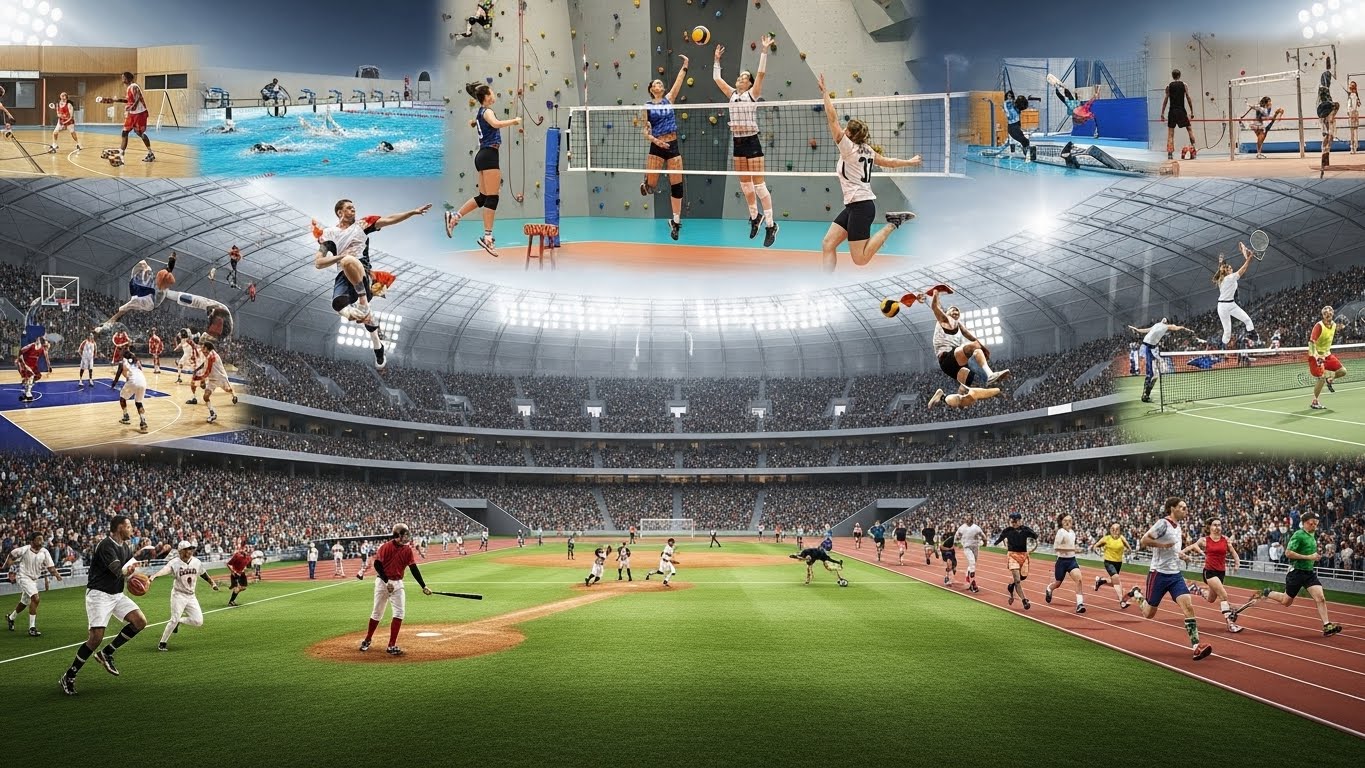
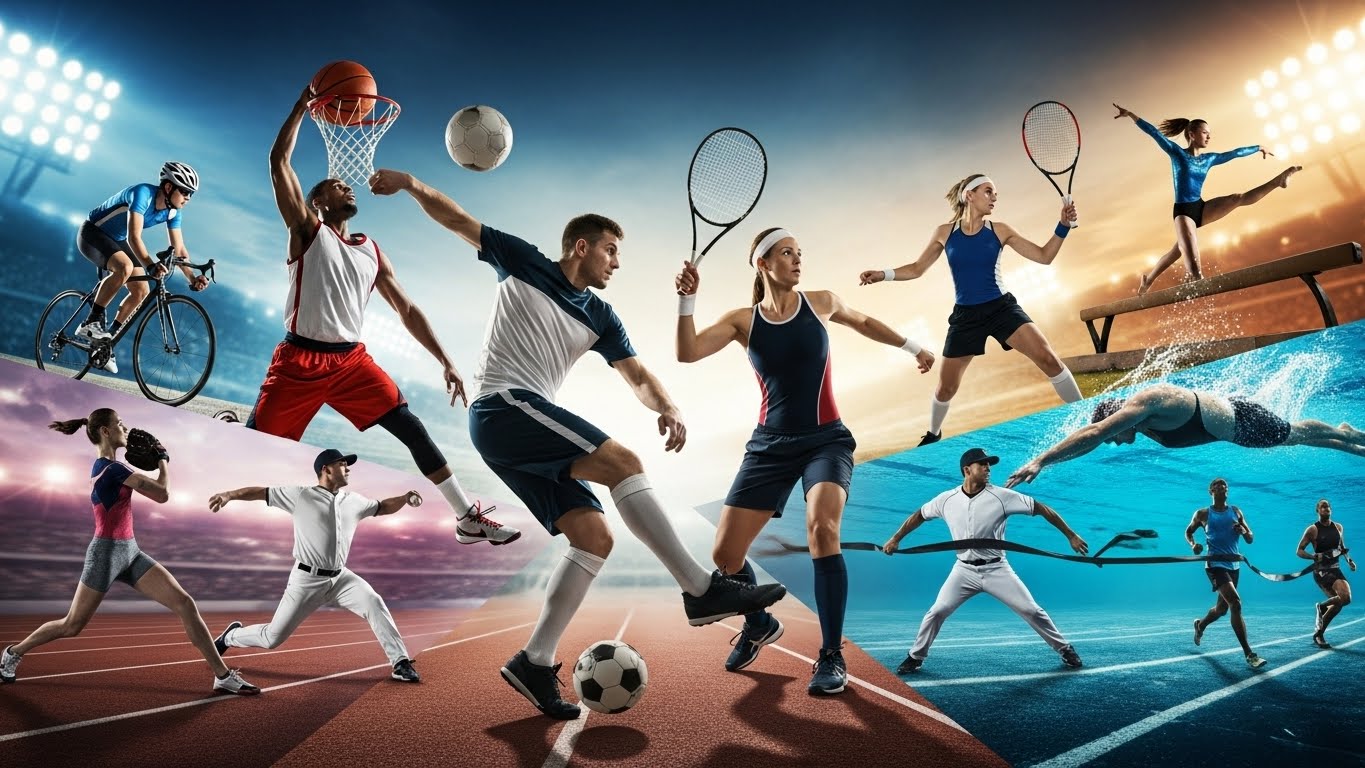
Sports are a universal language that transcends borders, cultures, and generations. From ancient civilizations to modern societies, sports have played a central role in human life, providing entertainment, competition, and social cohesion. Beyond physical activity, sports influence mental health, community building, economic growth, and cultural identity. Whether played professionally or recreationally, sports offer valuable lessons about teamwork, discipline, and resilience. This blog explores the history, impact, and evolution of sports while highlighting their enduring significance in contemporary society.
The History of Sports: From Ancient Games to Modern Competition
The history of sports dates back thousands of years. Ancient civilizations such as Greece, Rome, and Egypt developed athletic competitions as part of religious ceremonies, military training, and community entertainment. The Olympic Games, first held in 776 BCE in Greece, celebrated physical excellence and honored the gods, establishing a tradition that continues to this day.
In medieval times, sports were often linked to training for combat and survival, with archery, jousting, and swordsmanship being common practices. The Renaissance and industrial periods saw the formalization of rules, organized competitions, and clubs, laying the foundation for modern sports leagues. Today, sports encompass a wide variety of activities, from team games like soccer and basketball to individual pursuits like tennis, swimming, and athletics.
Physical Benefits of Sports
Sports provide numerous physical benefits that contribute to overall health and well-being. Regular participation in physical activity improves cardiovascular health, strengthens muscles and bones, and enhances flexibility and coordination. Sports also help maintain healthy body weight and reduce the risk of chronic illnesses such as diabetes, heart disease, and obesity.
Engaging in sports encourages a lifestyle that values movement, nutrition, and balance. It promotes endurance, agility, and strength while also improving motor skills and reflexes. Whether practiced professionally or recreationally, sports play a vital role in maintaining a healthy and active lifestyle.
Mental and Cognitive Benefits of Sports
In addition to physical advantages, sports significantly impact mental health and cognitive development. Exercise releases endorphins, which improve mood, reduce stress, and alleviate symptoms of anxiety and depression. Participation in sports also fosters mental resilience, helping individuals cope with setbacks, challenges, and competitive pressure.
Sports enhance cognitive skills such as focus, strategic thinking, problem-solving, and decision-making. Team sports, in particular, cultivate communication, leadership, and collaboration skills. For young athletes, sports participation supports brain development and builds discipline, time management, and emotional intelligence.
Sports as a Tool for Social Connection
Sports bring people together, creating communities that transcend individual differences. Local teams, school leagues, and professional clubs unite fans, players, and families around shared goals and experiences. Sporting events foster camaraderie, teamwork, and collective celebration.
Global competitions, such as the FIFA World Cup, the Olympics, and international tennis tournaments, generate a sense of global community. Fans from different countries engage in friendly rivalry, cultural exchange, and collective enthusiasm. Sports, therefore, act as a bridge, connecting individuals and societies while promoting understanding and unity.
The Economic Impact of Sports
Sports are a major driver of economic activity. Professional leagues, tournaments, and events generate billions of dollars annually through ticket sales, broadcasting rights, sponsorships, and merchandise. The sports industry creates employment opportunities in coaching, management, marketing, media, and event organization.
Infrastructure development, such as stadiums, training facilities, and recreational centers, stimulates local economies. Major sporting events attract tourism, boost hospitality industries, and create investment opportunities. Beyond direct revenue, sports also foster brand partnerships, endorsements, and entrepreneurship, demonstrating their significance in modern economies.
The Role of Sports in Education
Sports play a critical role in education by promoting physical fitness, teamwork, and personal development. Schools and universities often integrate sports programs, encouraging students to balance academics and athletics. Participation in sports helps students develop discipline, goal-setting abilities, and time management skills.
Athletic programs also foster leadership qualities, resilience, and ethical behavior. Student-athletes learn to handle competition, work collaboratively, and maintain focus under pressure. Through sports, educational institutions cultivate well-rounded individuals capable of excelling both on the field and in life.
Technology in Sports: Enhancing Performance and Experience
Technology has revolutionized the way sports are played, viewed, and analyzed. Advanced equipment, wearable devices, and performance tracking systems help athletes optimize training, monitor health, and prevent injuries. Video analysis, motion sensors, and AI-powered analytics provide insights into tactics, technique, and performance improvement.
For fans, technology enhances the viewing experience. High-definition broadcasts, live streaming, virtual reality experiences, and interactive apps allow audiences to engage with sports like never before. Technology bridges the gap between players and fans, creating immersive experiences that amplify excitement and participation.
Sports and Culture: Identity and Inspiration
Sports are deeply intertwined with cultural identity and social values. National teams, local clubs, and iconic athletes often symbolize pride, resilience, and community spirit. Sporting achievements inspire generations, motivate social movements, and influence popular culture.
From fashion and music to films and literature, sports have inspired countless creative expressions. Athletes serve as role models, demonstrating perseverance, dedication, and excellence. The cultural impact of sports extends beyond entertainment, shaping social norms, fostering unity, and celebrating diversity.
Inclusivity and Diversity in Sports
Modern sports emphasize inclusivity and diversity, providing opportunities for individuals of all genders, abilities, and backgrounds. Women’s leagues, adaptive sports programs, and initiatives for marginalized communities promote participation and representation.
Adaptive sports for individuals with disabilities highlight the importance of accessibility and equal opportunity. By fostering inclusivity, sports challenge stereotypes, encourage mutual respect, and create equitable environments where talent and effort are valued above identity or background.
Sports Psychology: The Mind Behind the Game
Success in sports is as much mental as it is physical. Sports psychology focuses on optimizing mental performance, enhancing motivation, and managing stress and anxiety. Visualization, mindfulness, goal-setting, and positive reinforcement are techniques used to improve focus and resilience.
Athletes learn to balance pressure with performance, develop confidence, and maintain composure during critical moments. Mental strength often determines the difference between victory and defeat, highlighting the importance of psychological preparation alongside physical training.
Sportsmanship and Ethics
Sports instill values of fairness, respect, and ethical conduct. Sportsmanship emphasizes integrity, cooperation, and adherence to rules, teaching individuals to compete with honor. Ethical considerations in sports include fair play, anti-doping measures, and adherence to regulations that ensure safe and equitable competition.
By promoting ethical behavior, sports contribute to character development, personal responsibility, and societal values. Lessons learned on the field often translate to professional, academic, and social contexts, reinforcing the importance of integrity in everyday life.
The Future of Sports: Innovation and Global Engagement
The future of sports is marked by innovation, globalization, and digital integration. Emerging technologies such as virtual reality, augmented reality, wearable analytics, and AI coaching are transforming training, competition, and fan engagement. eSports, combining gaming and competition, represents a new dimension of sports that attracts global audiences and blurs traditional boundaries.
Global collaboration, cross-cultural events, and technological accessibility will expand participation and viewership. Sustainability initiatives in sports infrastructure, energy management, and environmental awareness will shape the responsible evolution of the industry. The future of sports promises to be more inclusive, interactive, and impactful than ever before.
Conclusion: Sports as a Catalyst for Growth and Unity
Sports are more than games—they are a reflection of human potential, creativity, and resilience. They shape physical and mental health, foster social cohesion, drive economic growth, and inspire cultural expression. Whether as a participant, spectator, or professional, engagement with sports offers lessons in teamwork, discipline, and perseverance.
From ancient competitions to modern global events, sports have continually evolved to meet societal needs and technological advancements. They unite communities, bridge cultural gaps, and celebrate diversity. As innovation continues and opportunities expand, sports will remain a central aspect of human life, promoting health, connection, and inspiration for generations to come.