
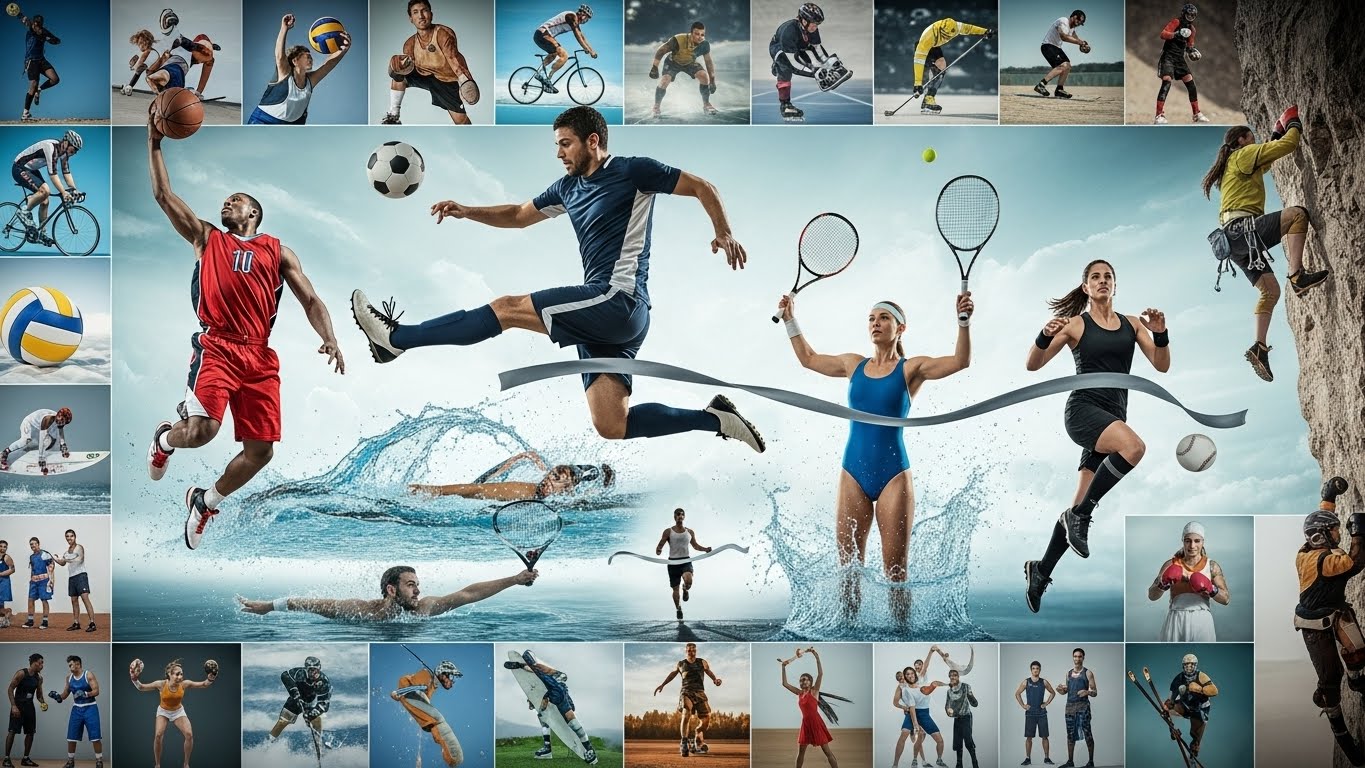
Sports have always held a unique place in human society, transcending geographical, cultural, and social boundaries. From ancient civilizations to modern-day arenas, sports have not only been a source of entertainment but also a powerful force that unites people, inspires excellence, and fosters a sense of community. Whether it’s a local football match or the global spectacle of the Olympics, sports have the ability to bring individuals together in a shared experience. In this blog post, we will explore the impact of sports, their historical significance, their role in society today, and the ways in which they continue to shape the future.
The Origins of Sports: From Ancient Rituals to Competitive Games
The origins of sports can be traced back thousands of years, where early forms of physical activity were closely linked to military training, religious rituals, and community celebrations. The ancient Greeks are often credited with formalizing sports through the establishment of the Olympic Games in 776 BCE, which became a central event in Greek culture. The Olympic Games were not only a display of athletic prowess but also an opportunity for different city-states to come together in peace and unity, setting the stage for the modern concept of international sporting events.
Sports in ancient civilizations were typically individual challenges of strength, speed, and endurance, with events like foot races, chariot racing, and wrestling being among the most popular. The idea of competition and striving for excellence was central to these early forms of sports, and many of the values embedded in these ancient games—honor, perseverance, and dedication—are still central to modern sports today.
The Evolution of Modern Sports: From Local Games to Global Phenomena
As society evolved, so did the structure and scope of sports. During the 19th century, the Industrial Revolution played a pivotal role in shaping the landscape of modern sports. With the rise of urbanization, people began to seek out new forms of entertainment, and organized sports gained popularity. In Britain, sports like football (soccer), rugby, and cricket evolved into formalized games with standardized rules. The creation of leagues, clubs, and governing bodies brought structure and organization to these games, turning them from informal pastimes into serious competitions.
The spread of British influence during the colonial period helped introduce these sports to different parts of the world. Football, for example, quickly became popular in Europe, Latin America, and parts of Africa. The 20th century saw the formation of international sporting competitions such as the FIFA World Cup, the Summer and Winter Olympics, and various continental tournaments, allowing nations to compete on the world stage.
Technology played an increasingly significant role in the development of modern sports, with advances in media and broadcasting making it possible for fans to follow their favorite athletes and teams from across the globe. The rise of television in the 20th century allowed millions to watch live events, while the advent of the internet in the 21st century further revolutionized the way people engage with sports. Today, social media platforms, streaming services, and digital apps enable fans to stay connected to the action 24/7, whether they are watching live broadcasts or engaging with athletes and teams on a personal level.
Sports as a Unifying Force: Bringing People Together
One of the most remarkable aspects of sports is their ability to unite people from all walks of life. Whether it’s a local neighborhood soccer game or a high-stakes international final, sports create a sense of shared experience and collective identity. The power of sports to bring people together can be seen in the way fans rally around their teams, cities, or nations, regardless of their background or beliefs.
At a local level, sports serve as a bonding experience for communities. Neighborhood leagues, school competitions, and recreational teams offer opportunities for individuals to engage with others, form friendships, and develop a sense of belonging. These small-scale activities help foster social cohesion and provide a platform for individuals to showcase their talents, leading to greater self-confidence and personal development.
On a larger scale, international sporting events like the FIFA World Cup, the Olympics, and the Rugby World Cup become arenas where national pride and global solidarity collide. For a few weeks, people from different corners of the world gather to cheer for their countries, not just as spectators but as participants in a global celebration of athleticism. The power of these events to transcend political, cultural, and religious divides is one of the most beautiful aspects of sports. In moments of great triumph or heartbreak, people find common ground, celebrating human achievement and spirit together.
The Role of Sports in Promoting Physical and Mental Health
While the social and cultural impacts of sports are often highlighted, it’s important not to overlook their profound effect on physical and mental well-being. Engaging in sports provides numerous health benefits, from improved cardiovascular health to increased strength, flexibility, and endurance. Regular physical activity is also linked to a reduced risk of chronic diseases such as diabetes, obesity, and hypertension. As modern life becomes increasingly sedentary, sports play a crucial role in combating the adverse effects of inactivity.
In addition to the physical benefits, sports are also known for their positive impact on mental health. Participation in sports can reduce stress, alleviate symptoms of anxiety and depression, and boost overall mood. Physical activity triggers the release of endorphins, which are natural mood enhancers, and the sense of accomplishment that comes with achieving athletic goals can improve self-esteem.
Moreover, sports provide a healthy outlet for emotions and frustrations, which is particularly important in today’s fast-paced world. The camaraderie of team sports can foster a sense of community and belonging, while individual sports provide an opportunity for self-reflection and personal growth. The discipline required in training and competition can teach valuable life skills such as time management, goal-setting, and resilience—traits that can be applied in all aspects of life.
The Business of Sports: A Multi-Billion Dollar Industry
Sports are not just a pastime or a means of personal development; they are also big business. The global sports industry generates billions of dollars annually through broadcasting rights, sponsorships, merchandise sales, ticket sales, and more. Major sporting events like the Super Bowl, the FIFA World Cup, and the Olympics draw massive global audiences, attracting advertisers and sponsors who are eager to capitalize on the large viewership.
Top athletes, too, have become highly marketable, with endorsement deals and personal brand partnerships becoming a significant source of income. Icons like Michael Jordan, Serena Williams, and Cristiano Ronaldo are not only celebrated for their athletic achievements but also for their commercial appeal. The marketing of athletes and sports brands has created a dynamic ecosystem that extends far beyond the game itself, with sportswear companies, media networks, and even video game developers tapping into the ever-expanding sports market.
While the commercial side of sports has led to unprecedented financial rewards for athletes, it has also raised concerns about the growing influence of money in sports. Issues such as sponsorship conflicts, ticket price inflation, and the exploitation of young athletes are hot topics within the industry. Despite these challenges, the financial success of sports continues to grow, and its influence on global economies cannot be overstated.
The Future of Sports: Technology, Innovation, and Inclusivity
As we look to the future, it’s clear that sports will continue to evolve in exciting and innovative ways. Advances in technology are already reshaping the way we experience sports. Virtual reality (VR) and augmented reality (AR) are creating immersive viewing experiences, allowing fans to engage with their favorite sports in ways never before possible. Wearable technology is providing athletes with real-time data to monitor their performance and enhance training, while advancements in artificial intelligence (AI) are changing the way teams scout and analyze players.
The accessibility of sports is also improving, as adaptive technologies allow people with disabilities to participate in sports in ways that were once unimaginable. The Paralympic Games have become an integral part of the international sporting landscape, showcasing the resilience and skill of athletes with disabilities. The inclusivity of sports will only continue to grow, ensuring that people from all backgrounds and abilities have the opportunity to engage with sports at all levels.
Conclusion: The Timeless Impact of Sports
Sports are far more than just games—they are a reflection of our collective humanity. From their origins as ancient rituals to their modern-day role as global spectacles, sports have the power to bring people together, promote health and well-being, and inspire excellence. In a world that is often divided by differences, sports remind us of our shared humanity, offering a platform for unity, joy, and celebration.
As we move forward, sports will continue to evolve, driven by technological advancements, social progress, and a desire for greater inclusivity. Whether it’s through the thrill of competition, the sense of community, or the pursuit of personal excellence, sports will remain a central part of our lives. Their enduring appeal is a testament to the power of the human spirit and the universal desire to come together in the pursuit of greatness.