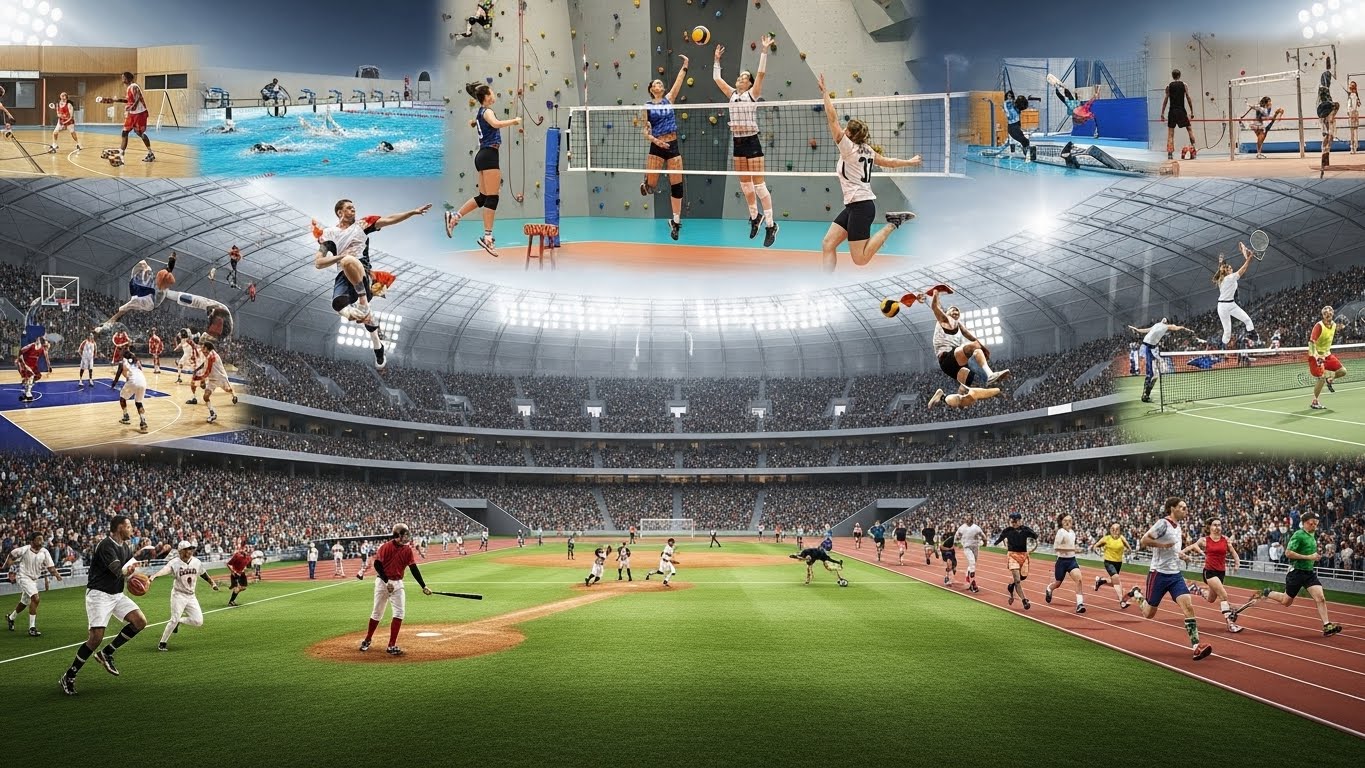
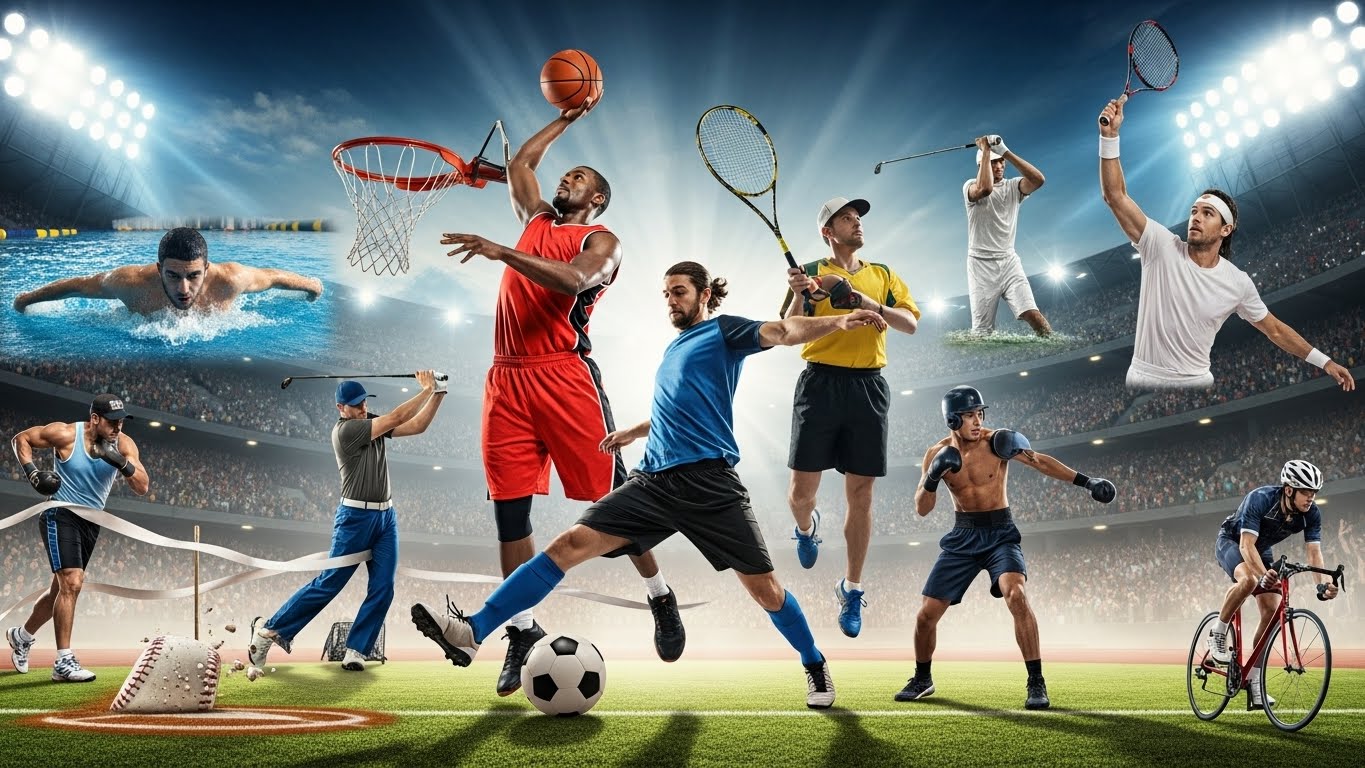
Sports have been an integral part of human society for centuries, serving as a medium for competition, physical fitness, cultural expression, and social cohesion. From ancient Olympic Games in Greece to modern global tournaments, sports have evolved into a multi-billion-dollar industry that captivates millions of fans worldwide. Beyond entertainment, sports play a crucial role in shaping personal discipline, community identity, and even global diplomacy. This article explores the significance of sports, their evolution, cultural impact, and influence on individual and societal development.
The Origins of Sports
The roots of organized sports can be traced back thousands of years. Ancient civilizations engaged in physical activities for survival, training, and recreation. The Olympic Games in ancient Greece were among the earliest formal sporting events, celebrating athletic excellence, competition, and unity. Similarly, cultures around the world developed unique sports that reflected their traditions, values, and physical skills.
Over time, sports evolved from informal competitions to organized events with codified rules, governing bodies, and structured tournaments. The establishment of clubs, leagues, and international federations created a framework for fair play, competition, and global participation. This historical progression highlights the enduring human fascination with physical challenges, teamwork, and achievement.
The Cultural Significance of Sports
Sports are deeply embedded in cultural identity and social life. They serve as a reflection of societal values, traditions, and aspirations. Major sporting events such as the FIFA World Cup, the Olympics, and the Super Bowl transcend national boundaries, uniting fans across cultures and continents.
Sports also influence fashion, media, music, and lifestyle. Athletes often become cultural icons, inspiring millions through their performances, perseverance, and personal stories. Sporting achievements can foster national pride, reinforce community identity, and even influence social change by highlighting issues such as inclusivity, equality, and fair competition.
Physical and Mental Benefits of Sports
Participation in sports offers numerous physical and mental health benefits. Regular physical activity improves cardiovascular health, strength, flexibility, and overall fitness. Sports also enhance coordination, agility, and endurance, contributing to a healthier lifestyle and reducing the risk of chronic diseases.
Mental benefits of sports include stress reduction, improved mood, and increased self-confidence. Engaging in competitive or recreational sports fosters discipline, focus, and resilience. Team sports, in particular, encourage collaboration, communication, and leadership skills, shaping individuals’ personal development and social competence.
The Evolution of Modern Sports
Modern sports have undergone significant transformation due to technological, social, and economic factors. Innovations in equipment, training techniques, and performance analytics have elevated the standards of competition and athlete performance. Video replay systems, wearable technology, and biomechanical analysis allow athletes to refine skills and strategies with precision.
The commercialization of sports has also revolutionized the industry. Sponsorships, broadcasting rights, and merchandise sales generate substantial revenue, creating opportunities for athletes, teams, and organizations. Additionally, digital platforms and social media have expanded fan engagement, enabling audiences to follow athletes, interact with teams, and access live events instantly.
Major Sports and Their Global Impact
Sports encompass a wide range of activities, each with unique appeal and global reach. Football, or soccer, is the most popular sport worldwide, with billions of fans and major tournaments such as the FIFA World Cup attracting global attention. Basketball, cricket, tennis, and athletics also enjoy significant followings, with international competitions showcasing talent and fostering cross-cultural connections.
Individual sports such as swimming, gymnastics, and track events highlight personal achievement, endurance, and skill. Team sports like rugby, volleyball, and baseball emphasize coordination, strategy, and collaboration. The diversity of sports ensures broad participation and audience engagement across regions and demographics.
Sports and Education
Sports play a vital role in education and youth development. School and college-level sports programs promote physical fitness, teamwork, and academic discipline. Participation in sports cultivates essential life skills such as goal-setting, perseverance, time management, and leadership.
Scholarship programs and collegiate sports leagues provide opportunities for talented athletes to pursue education while developing athletic careers. The integration of sports into educational systems fosters holistic development, encouraging students to excel physically, mentally, and socially.
The Role of Sports in Society
Beyond personal development, sports contribute to social cohesion, community engagement, and public health. Local leagues, recreational programs, and community events create spaces for interaction, cooperation, and shared experiences. Sports also promote inclusivity, offering opportunities for people of different ages, genders, and abilities to participate and contribute.
At a societal level, sports can drive social initiatives, charitable campaigns, and awareness programs. Organizations leverage sports to address social issues, promote health, and empower marginalized communities. The unifying power of sports makes it a potent tool for positive change and community building.
Sports and Technology
Technological advancements have transformed the way sports are played, viewed, and analyzed. Innovations such as goal-line technology, video assistant referees, and electronic timing systems enhance fairness and accuracy. Wearable devices monitor athlete performance, track health metrics, and guide training regimens.
Digital broadcasting and streaming platforms allow fans to follow events in real time, irrespective of location. Virtual reality and augmented reality are creating immersive experiences, enabling spectators to experience games from unique perspectives. Technology not only elevates athletic performance but also enhances fan engagement and accessibility.
Sports and Mental Resilience
Competitive sports demand mental toughness, resilience, and focus. Athletes must navigate pressure, setbacks, and high expectations while maintaining performance and composure. The mental discipline developed through sports translates into other areas of life, including academics, career, and personal challenges.
Mindfulness, visualization, and psychological coaching have become integral to athletic training. Athletes learn to manage stress, maintain concentration, and develop strategic thinking, demonstrating that sports are as much a mental endeavor as a physical one.
Women in Sports
The role of women in sports has evolved significantly, with increasing opportunities, visibility, and recognition. Female athletes now compete at the highest levels in professional leagues, international tournaments, and global championships. Representation in sports challenges gender stereotypes, promotes equality, and inspires future generations.
Initiatives supporting women in sports include professional leagues, educational programs, and media coverage that highlight female achievements. The growing prominence of women’s sports contributes to diversity, inclusion, and social progress within the athletic community.
Sports and Economic Impact
Sports are a major economic driver, creating jobs, stimulating industries, and generating revenue. Professional leagues, sporting events, merchandise, and media rights contribute billions to national and global economies. Tourism, hospitality, and infrastructure development also benefit from large-scale sports events.
Athletes and teams play a role in branding, marketing, and endorsements, further contributing to economic growth. Sports-related industries, including fitness equipment, apparel, nutrition, and technology, thrive due to the global popularity of athletics. The economic influence of sports underscores its significance beyond entertainment and competition.
Challenges in Sports
Despite its benefits, sports face challenges such as doping, corruption, inequality, and commercialization pressures. Maintaining fairness, integrity, and ethical standards is critical to sustaining trust and credibility. Access to sports facilities, training, and resources remains uneven across regions and communities, limiting opportunities for participation.
Addressing these challenges requires robust governance, regulatory oversight, and community engagement. Promoting inclusivity, integrity, and transparency ensures that sports remain a positive force for personal development and societal well-being.
The Future of Sports
The future of sports is shaped by technological innovation, social trends, and evolving audience expectations. Emerging technologies like artificial intelligence, virtual reality, and performance analytics will redefine training, competition, and spectator experiences. Esports, digital competitions, and hybrid events are expanding the definition of sports and attracting younger audiences.
Global connectivity and social media will continue to enhance fan engagement, creating interactive, immersive, and personalized experiences. The integration of sustainability, diversity, and inclusivity will also shape the future of sports, ensuring that athletics remain relevant, accessible, and impactful for generations to come.
Conclusion
Sports are more than a physical activity; they are a reflection of human ambition, culture, and social cohesion. They inspire individuals, unite communities, and drive economic and technological progress. From ancient traditions to modern professional leagues, sports have continually evolved to meet the needs and aspirations of society.
The physical, mental, and social benefits of sports highlight their essential role in personal development and well-being. At the same time, the economic, cultural, and technological dimensions of sports illustrate their far-reaching impact on global society. As the world continues to embrace innovation, inclusivity, and connectivity, sports will remain a powerful medium for entertainment, growth, and positive change.
For individuals, communities, and nations, sports offer not only excitement and competition but also inspiration, unity, and the potential to shape a better, healthier, and more connected world.