
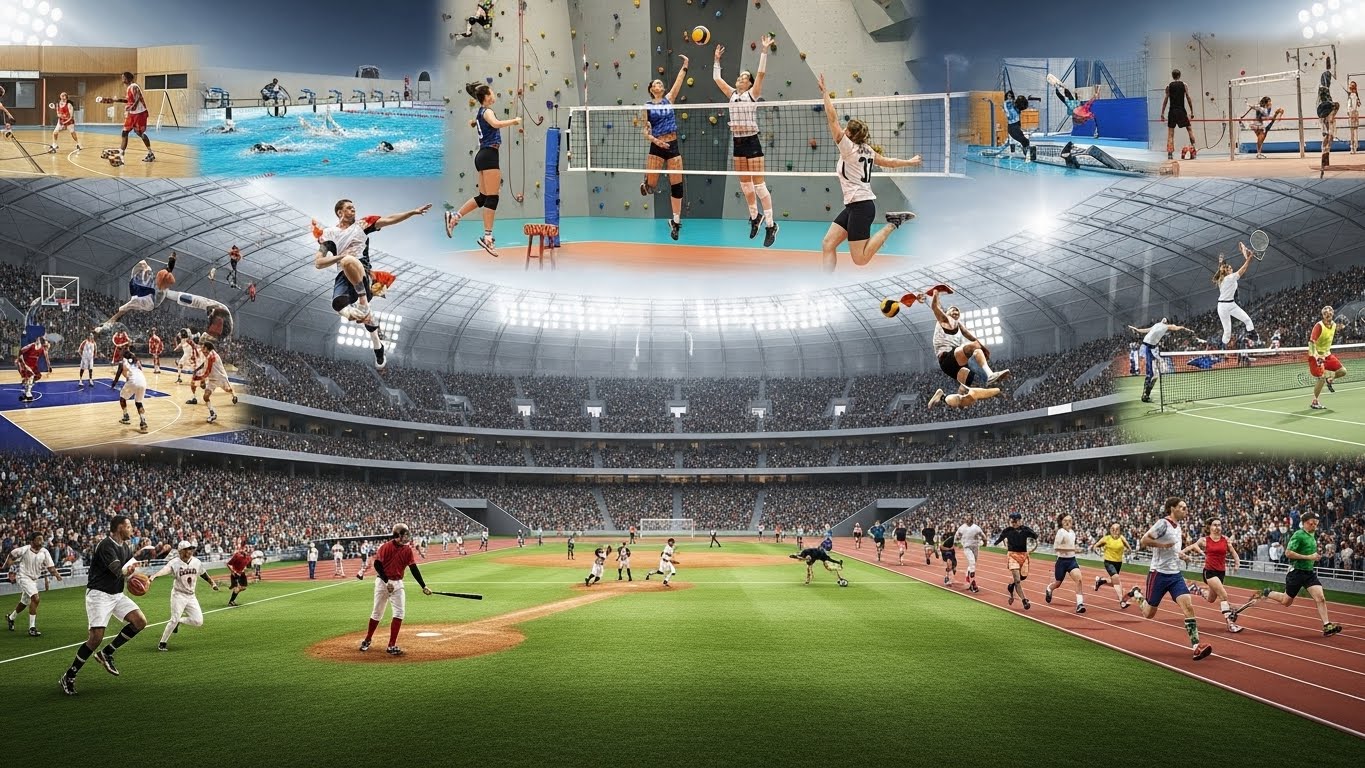
Introduction: More Than Just a Game
Sports have always been more than competition. While the scoreboard tells one story, the deeper impact of sports is written in discipline, emotion, identity, and shared human experience. From dusty playgrounds to packed stadiums, sports connect people across age, language, and culture. They teach lessons that last long after the final whistle and create memories that define generations. This blog explores how sports influence individuals and societies, going far beyond wins and losses.
The Roots of Sports in Human History
Sports are as old as civilization itself. Ancient societies used physical contests not only for entertainment but also for survival, military preparation, and ritual. From early wrestling matches to organized Olympic games in ancient Greece, sports reflected strength, strategy, and honor. Over time, these activities evolved into structured competitions with rules, ethics, and global followings. The historical journey of sports shows how deeply they are woven into human development.
Sports as a School of Life
Participation in sports teaches lessons that classrooms often cannot. Athletes learn discipline through training, patience through progress, and resilience through failure. Losing a match can be painful, but it builds emotional strength and humility. Winning, on the other hand, teaches responsibility and respect. Team sports especially develop cooperation, communication, and leadership, skills that remain valuable in professional and personal life.
The Mental Strength Behind Physical Performance
While sports are often associated with physical ability, mental strength plays an equally important role. Focus, confidence, and emotional control determine performance under pressure. Athletes train their minds to handle stress, silence doubt, and stay motivated. Sports psychology has become a vital part of modern athletics, proving that success begins in the mind as much as in the body.
The Role of Sports in Building Community
Sports have a unique power to bring people together. Local teams create a sense of belonging, while national teams unite entire countries. Fans from different backgrounds celebrate together, share disappointment together, and form bonds through shared loyalty. Community sports events encourage social interaction, reduce isolation, and strengthen neighborhood ties. In many places, sports act as a common language that everyone understands.
Sports and Cultural Identity
Every culture expresses itself through sports. Some games become symbols of national pride, representing history, values, and collective spirit. Traditional sports preserve cultural heritage, while modern global sports blend influences from around the world. Sporting events often reflect social change, political movements, and cultural evolution. In this way, sports act as a mirror of society.
Youth Development and the Power of Early Sports
Introducing sports at a young age has lasting benefits. Children who play sports develop better physical health, social skills, and self-esteem. They learn teamwork, time management, and goal setting early in life. Sports also provide a positive outlet for energy and emotion, helping young people stay focused and confident. Coaches and mentors often become role models, shaping character and ambition.
Gender Equality and Sports
Sports have played a significant role in advancing gender equality. Although historically dominated by men, the sporting world is changing. Female athletes continue to break records, challenge stereotypes, and inspire future generations. Equal opportunities, recognition, and respect in sports contribute to broader social equality. The rise of women’s sports has proven that talent and determination know no gender.
The Business and Economics of Sports
Modern sports are also a powerful economic force. They generate employment, tourism, and global industries involving media, merchandise, and technology. Major sporting events boost local economies and attract international attention. While commercialization brings opportunities, it also raises questions about fairness, ethics, and the true spirit of competition. Balancing business with integrity remains a key challenge in sports today.
Technology and the Evolution of Sports
Technology has transformed how sports are played, watched, and analyzed. Advanced equipment improves performance and safety. Data analysis helps teams refine strategies and prevent injuries. Fans experience games through high-quality broadcasts and interactive platforms. While technology enhances accuracy and excitement, it also sparks debate about tradition versus innovation in sports.
Sportsmanship and Ethical Values
At the heart of sports lies sportsmanship. Respect for opponents, officials, and the game itself defines true success. Fair play, honesty, and humility are values that sports aim to promote. However, issues like cheating, corruption, and performance-enhancing substances challenge these ideals. Upholding ethics in sports is essential to preserving trust and inspiration.
The Emotional Power of Sports
Sports create emotions unlike any other human activity. Joy, heartbreak, pride, and hope unfold in moments. A last-second goal, a record-breaking performance, or a comeback victory can bring tears and celebrations. These emotional experiences connect fans and athletes in unforgettable ways. Sports remind us of our capacity to feel deeply and share those feelings with others.
Sports as a Tool for Social Change
Beyond entertainment, sports have the power to drive social change. Athletes often use their platforms to raise awareness about social issues, equality, and justice. Sporting events have been used to promote peace, unity, and inclusion. When used responsibly, sports can inspire dialogue and positive transformation in society.
Health, Fitness, and Lifelong Activity
Regular involvement in sports promotes physical health and mental well-being. It reduces the risk of chronic illness, improves mood, and boosts energy levels. Sports encourage active lifestyles and healthy habits that can last a lifetime. Even recreational sports offer joy, relaxation, and balance in a busy world.
The Future of Sports
The future of sports will continue to evolve with changing lifestyles, technology, and values. Inclusivity, sustainability, and mental health awareness are becoming central themes. New formats, digital engagement, and global participation will redefine how sports are experienced. Despite these changes, the core essence of sports competition, passion, and human connection will remain unchanged.
Conclusion: Why Sports Will Always Matter
Sports are not just games played on fields or courts. They are powerful forces that shape individuals, cultures, and communities. They teach lessons that extend beyond competition and inspire people to strive, connect, and grow. In a world constantly changing, sports remain a constant source of unity, emotion, and purpose. Beyond the scoreboard, sports continue to define who we are and who we aspire to be.