
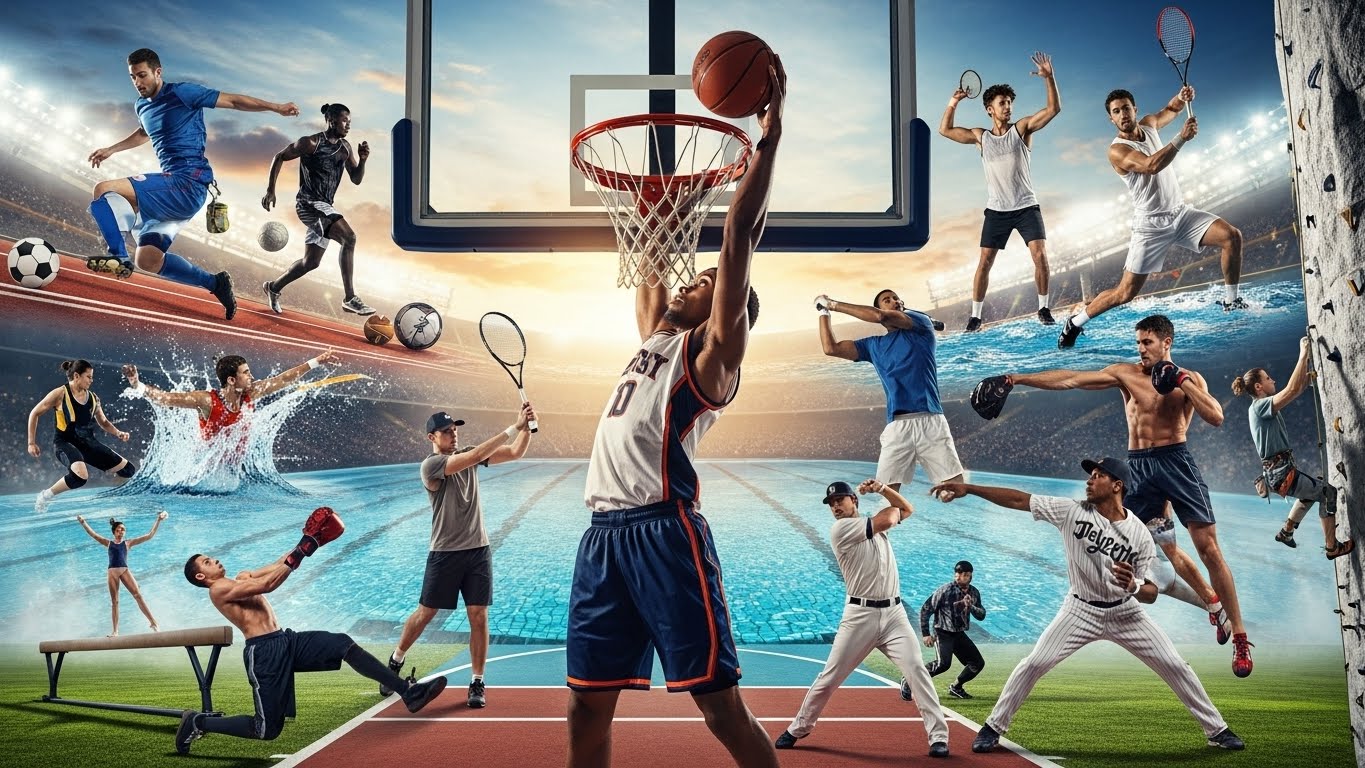
Sports have been an integral part of human society for centuries, shaping cultures, inspiring individuals, and connecting communities worldwide. They are far more than physical contests; sports influence social dynamics, foster personal growth, and even drive technological and economic advancements. This blog explores the rich history, cultural significance, psychological benefits, and future of sports, highlighting why they remain a cornerstone of human life.
The Historical Roots of Sports
The story of sports dates back thousands of years. Early civilizations used games to prepare for hunting, train warriors, or celebrate religious and cultural events. Ancient Greece formalized athletic competitions with the Olympic Games, which began in 776 BCE. These games were not only physical contests but also a demonstration of skill, discipline, and dedication to excellence.
Similarly, societies across the world had their own versions of sports. Indigenous peoples in North America engaged in games like lacrosse to strengthen teamwork and community bonds. Ancient China developed martial arts, blending physical training with philosophical and spiritual elements. These early forms of sports highlight how physical activity has always been intertwined with cultural values and social cohesion.
Sports as a Mirror of Society
Sports often reflect the social, political, and cultural context of their time. They can act as a unifying force, bringing together individuals from different backgrounds, and sometimes serve as a platform for social change. In the United States, sports played a pivotal role in challenging racial segregation, with figures like Jackie Robinson and Muhammad Ali breaking barriers and inspiring generations.
Globally, football, cricket, and basketball transcend national and cultural boundaries. International tournaments provide fans with shared experiences, creating a sense of identity and belonging. Sports can also highlight societal issues such as gender inequality, economic disparity, and access to education, driving conversations that lead to meaningful change.
Physical and Mental Benefits of Sports
Engaging in sports provides significant physical benefits. Regular activity strengthens the cardiovascular system, enhances flexibility, builds muscle, and improves coordination. It also supports long-term health by reducing the risk of chronic conditions like diabetes, obesity, and heart disease.
The mental benefits of sports are equally powerful. Participation promotes discipline, focus, and resilience. Team sports enhance communication skills, empathy, and leadership qualities. Sports can act as a natural stress reliever, providing an outlet for emotions and a sense of accomplishment. For spectators, following sports can offer joy, excitement, and even a sense of community, showing that the impact of sports extends beyond direct participation.
The Role of Technology in Modern Sports
Technology has transformed how athletes train, compete, and how fans experience sports. Wearable devices monitor performance metrics like heart rate, stamina, and recovery, allowing athletes to optimize their training. Video analysis and artificial intelligence provide insights into techniques, strategies, and opponents’ patterns, elevating competitive standards.
On the spectator side, technology has expanded accessibility. Fans can watch live events on smartphones, follow real-time statistics, and engage with athletes on social media. Virtual and augmented reality experiences are reshaping how audiences experience sports, making events more interactive and immersive. The intersection of technology and sports continues to push boundaries, creating new opportunities for both performance and engagement.
Iconic Moments in Sports History
Throughout history, sports have produced moments that resonate far beyond the playing field. Michael Jordan’s dominance in basketball set new standards of athletic excellence and inspired millions worldwide. The 1999 Women’s World Cup final highlighted the power and influence of female athletes in shaping public perception. Olympic Games have consistently created moments of triumph and unity, from Jesse Owens’ record-breaking sprints in 1936 to Usain Bolt’s electrifying performances in the 21st century.
These iconic moments showcase not only physical prowess but also resilience, determination, and the human spirit. They become cultural milestones, inspiring future generations and highlighting the universal values that sports embody.
The Economics of Sports
Sports have evolved into a global industry, generating billions through sponsorships, ticket sales, broadcasting rights, and merchandise. This commercialization has enabled the construction of world-class facilities, professional training programs, and extensive media coverage. It also provides athletes with opportunities to turn passion into a career, offering financial stability and social recognition.
However, the commercial aspect has its challenges. Excessive focus on profit can lead to ethical concerns, such as doping, exploitation of young talent, or prioritizing entertainment over fair competition. Balancing economic growth with the integrity of sports remains a critical discussion in the modern era.
Sports and Education
Schools and universities worldwide recognize the importance of sports in shaping well-rounded individuals. Participation in sports fosters time management, discipline, goal-setting, and teamwork. It can also develop leadership skills as students navigate roles within teams and clubs.
Scholarships and development programs link sports with educational opportunities, providing talented athletes with access to higher education and career advancement. Introducing sports at a young age encourages lifelong habits of health, resilience, and social engagement, emphasizing that the benefits of sports extend far beyond immediate physical activity.
Inclusivity and Accessibility in Sports
The future of sports depends on inclusivity. Efforts to make sports accessible to women, differently-abled individuals, and underrepresented communities are transforming the landscape. Adaptive sports programs and para-athletic competitions demonstrate that excellence is not limited by physical or societal constraints.
Accessibility also involves addressing economic barriers. Community programs, public facilities, and grassroots initiatives aim to provide opportunities regardless of financial status. By creating a more inclusive environment, sports can truly become a universal platform for participation, development, and unity.
Sports as a Tool for Global Unity
Sports have the extraordinary ability to transcend borders. International competitions such as the World Cup, the Olympics, and continental championships bring together athletes and fans from diverse backgrounds. They promote cross-cultural understanding and foster a sense of shared humanity.
Sports can also serve as a bridge in times of conflict. Joint events, peace tournaments, and collaborative initiatives provide neutral grounds for dialogue and cooperation. On a grassroots level, sports programs encourage youth engagement, reduce violence, and promote education, demonstrating the broader societal impact of athletic participation.
The Future of Sports
The future of sports lies at the intersection of innovation, inclusivity, and sustainability. Emerging technologies like artificial intelligence, performance analytics, and immersive fan experiences will continue to reshape the way athletes train and fans engage. Sustainability initiatives, such as eco-friendly stadiums and green tournaments, will ensure that sports do not come at the expense of the planet.
Inclusivity will further expand, breaking down barriers related to gender, ability, and socioeconomic status. This evolution will make sports more representative, equitable, and impactful, maintaining their relevance in a rapidly changing world.
Conclusion: Sports as a Reflection of Human Potential
Sports are far more than games or competitions; they are a reflection of human ambition, creativity, and resilience. They challenge individuals to push boundaries, inspire communities to unite, and provide platforms for social change. From ancient athletic rituals to modern professional leagues, sports have continually evolved while maintaining their core essence—celebrating excellence, discipline, and the joy of participation.
Whether as an athlete, a fan, or a student of culture, engaging with sports offers lessons that extend into every aspect of life. It teaches perseverance, cultivates empathy, and connects people across divides. In essence, sports are not just a part of life—they are a testament to human potential, a universal language, and a source of endless inspiration.