
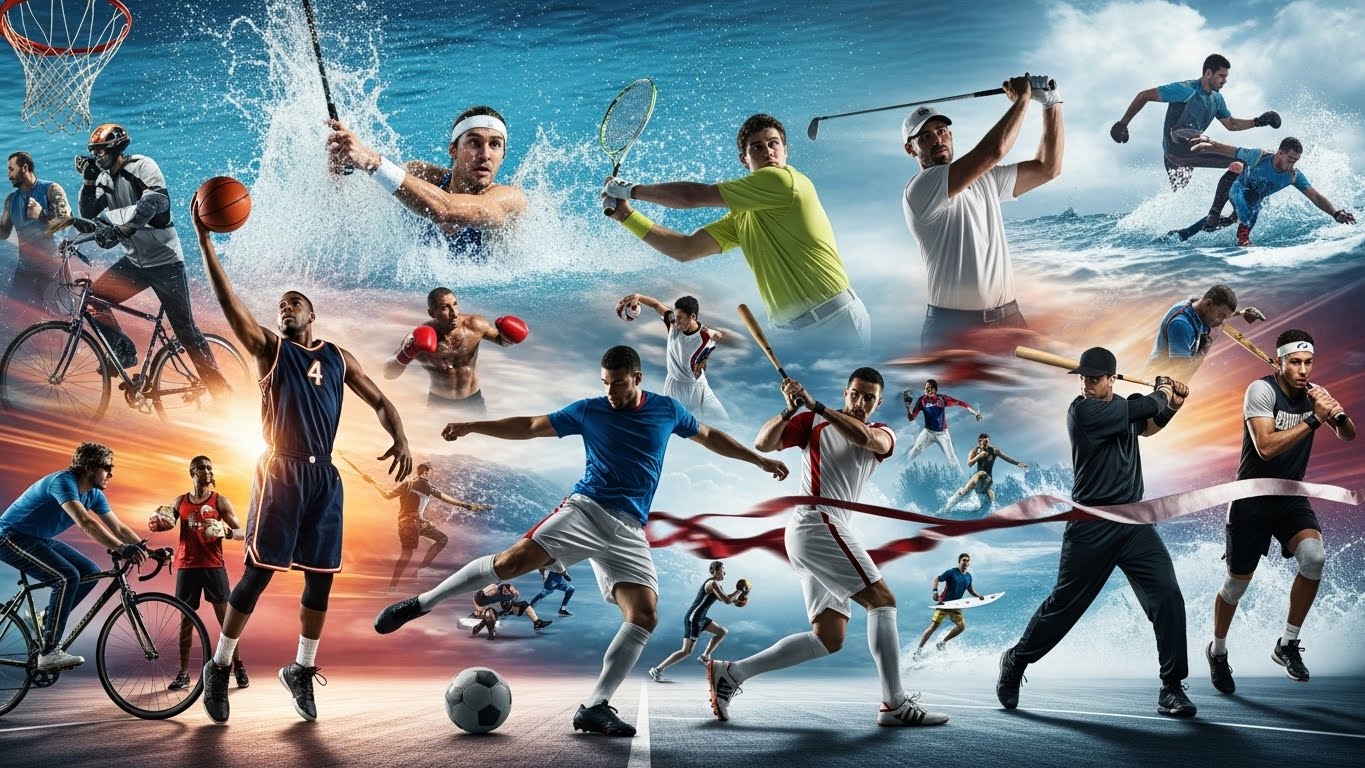
Sports have always held a unique place in human society. From ancient Olympic competitions to modern global tournaments, sports are far more than mere games—they are a reflection of culture, a catalyst for personal growth, and a bridge connecting communities worldwide. The thrill of competition, the discipline of training, and the joy of achievement make sports a universal language that transcends age, gender, and nationality. This blog explores the multifaceted world of sports, its history, social impact, psychological benefits, economic significance, challenges, and the exciting future that lies ahead.
The Origins of Sports
The history of sports is as old as civilization itself. Evidence of athletic competitions can be traced back to ancient societies where physical contests were both a form of entertainment and a means to demonstrate strength, skill, and courage. In ancient Greece, the Olympic Games were not just about winning medals—they honored the gods, celebrated human potential, and fostered unity among city-states.
Similarly, other cultures developed their own unique sports. Wrestling, archery, and horseback riding were common in many societies, while team-based games like polo and ball games evolved in different parts of the world. These early sports emphasized physical prowess, strategic thinking, and teamwork, laying the foundation for the structured competitions we see today.
The Evolution of Modern Sports
With time, sports evolved from informal contests to organized activities governed by rules and regulations. The 19th and 20th centuries marked a period of formalization and global expansion. Football, cricket, basketball, and tennis emerged as organized sports with professional leagues, standardized rules, and international competitions.
The invention of modern stadiums, the rise of sports journalism, and the growth of television transformed how people engaged with sports. Fans no longer had to be present at events to experience the thrill; live broadcasts and sports commentary brought the excitement into homes worldwide. These changes turned sports into a major cultural phenomenon, influencing lifestyle, fashion, and entertainment.
Sports as a Cultural Reflection
Sports are not only physical contests—they mirror the values, aspirations, and social dynamics of the societies that embrace them. Different regions prioritize certain sports, reflecting cultural identity and historical influences. For example, cricket holds a sacred place in South Asian countries, while football dominates in Europe and Latin America. Similarly, ice hockey thrives in colder climates, while baseball enjoys prominence in North America and parts of Asia.
Major sporting events like the Olympics, World Cup, and regional championships transcend national boundaries, promoting cultural exchange and international understanding. Fans worldwide come together to celebrate talent, sportsmanship, and shared passion, demonstrating that sports can unify people across diverse backgrounds.
The Psychological Benefits of Sports
Participating in sports provides numerous mental and emotional benefits. Physical activity releases endorphins, reducing stress and boosting mood. Regular engagement in sports enhances focus, discipline, and self-confidence. Setting and achieving goals, whether winning a match or improving personal performance, fosters a sense of accomplishment and motivation.
Sports also teach resilience. Athletes learn to handle failure, recover from setbacks, and continuously strive for improvement. Team sports encourage collaboration, communication, and empathy, helping individuals develop essential social skills. Beyond competition, sports offer a mental escape and a source of joy, contributing to overall well-being.
The Social Impact of Sports
Sports have a powerful social dimension. They bring people together, foster community pride, and create shared experiences that transcend differences. Local games, school competitions, and community leagues promote camaraderie and social interaction, building bonds among participants and spectators alike.
Globally, sports events create a sense of belonging and identity. National teams inspire unity, with fans rallying together to support their country. Sports also provide platforms for social change, promoting gender equality, inclusion, and advocacy for marginalized communities. Athletes often use their visibility to address social issues, demonstrating that sports can influence society beyond the field.
The Economic Significance of Sports
Sports are a major economic force worldwide. Professional leagues, tournaments, endorsements, and merchandise contribute significantly to global economies. The sports industry employs millions of people, including athletes, coaches, trainers, referees, media professionals, and support staff.
In addition, sports stimulate related sectors such as tourism, hospitality, fashion, and technology. Large-scale events attract visitors, boost local economies, and generate global media attention. The commercialization of sports, while sometimes controversial, ensures that the industry continues to grow, innovate, and provide opportunities for future generations.
Challenges in the World of Sports
Despite its many benefits, the sports industry faces several challenges. Issues like doping, match-fixing, and corruption threaten the integrity of competitions. Maintaining fairness, transparency, and ethical standards is critical to preserving trust among athletes and fans.
Health and safety concerns also pose challenges. Intense physical activity can lead to injuries, and the pressure to perform at elite levels can affect mental health. Balancing competitiveness with well-being is essential to ensure that sports remain a positive force. Furthermore, unequal access to facilities, training, and resources creates disparities, highlighting the need for inclusive opportunities at all levels.
The Role of Technology in Modern Sports
Technology has transformed sports in remarkable ways. Advanced equipment, performance tracking devices, and analytics enhance training, strategy, and player development. Video replay and officiating technology improve fairness and accuracy in competitions. Fans also benefit from technology through live streaming, virtual reality experiences, and interactive platforms that bring them closer to the action.
Emerging technologies like artificial intelligence and wearable devices are set to further revolutionize sports. Data-driven insights help athletes optimize performance, prevent injuries, and refine techniques. Technology also enables global access to sports content, connecting fans and athletes in ways previously unimaginable.
Sports as a Tool for Personal Development
Participation in sports nurtures qualities that extend beyond the field. Discipline, perseverance, teamwork, and strategic thinking are life skills developed through athletic involvement. Young athletes, in particular, benefit from structured training programs that instill responsibility, time management, and goal-setting abilities.
Sports also foster leadership skills. Captains, team leaders, and coaches learn to inspire, motivate, and guide others. The lessons learned through sports often translate into academic, professional, and personal success, demonstrating that the benefits of athletic engagement go far beyond physical fitness.
The Future of Sports
The future of sports promises exciting advancements and greater inclusivity. Esports and virtual competitions are gaining prominence, attracting younger audiences and expanding the definition of sports. Innovations in wearable technology, virtual reality, and AI-driven training tools will continue to enhance performance and spectator experiences.
Sustainability is also becoming a key focus. Stadiums and events are increasingly designed with eco-friendly practices, and sports organizations are advocating for environmental responsibility. Additionally, efforts to promote gender equality, accessibility, and diversity are creating more opportunities for athletes worldwide, ensuring that the future of sports is inclusive and inspiring.
Conclusion: The Enduring Power of Sports
Sports are far more than competitions—they are a testament to human potential, resilience, and creativity. They entertain, inspire, and unite people, reflecting cultural values while shaping personal and social development. From local playgrounds to global arenas, sports create shared experiences, foster emotional well-being, and drive economic growth.
As technology, inclusivity, and innovation continue to shape the landscape, sports will remain a vital part of human life. They will continue to inspire dreams, cultivate talent, and connect people across generations and geographies. Beyond the game itself, sports symbolize the pursuit of excellence, the joy of participation, and the power of connection—a timeless celebration of human spirit and achievement.