
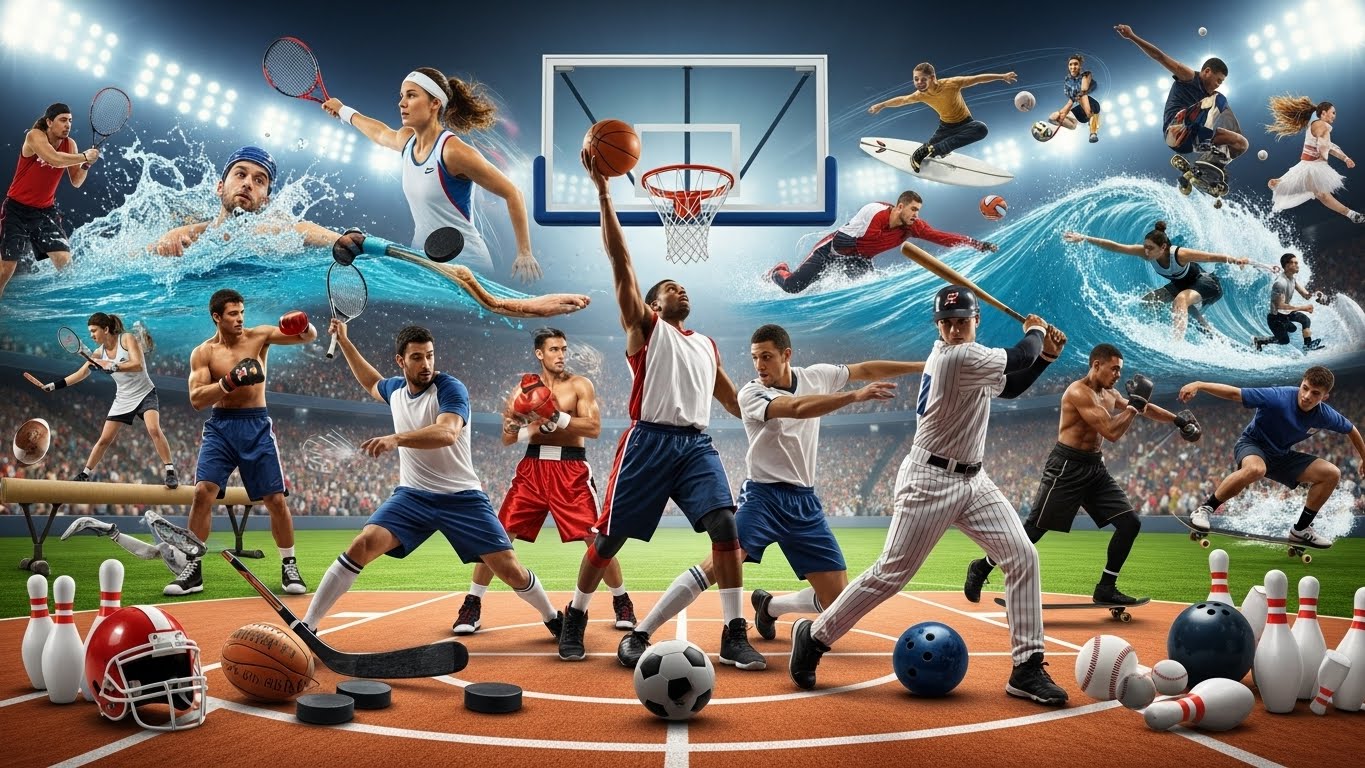
Sports have been an integral part of human civilization for centuries. From ancient Olympic games in Greece to the modern spectacles of global tournaments, sports are more than just physical activity; they are a reflection of culture, determination, and unity. Beyond competition, sports influence physical health, mental well-being, social development, and even economic growth. This blog explores the multifaceted impact of sports and why they remain vital to human life.
The Historical Significance of Sports
Sports have a rich and varied history that traces back thousands of years. Ancient civilizations used physical contests not only for entertainment but also as a means of preparing warriors and fostering community spirit. In Greece, the Olympic Games were more than athletic competitions; they were a celebration of human potential and a tribute to the gods. Similarly, in ancient China, sports like archery and martial arts were integral to training soldiers and promoting discipline.
Through the centuries, sports evolved with society. The industrial revolution gave rise to organized team sports, which reflected urbanization and community identities. Cricket, soccer, and rugby emerged as popular sports in Europe, creating a sense of belonging among local communities. In modern times, sports have transcended borders, becoming a global language that connects people from diverse cultures.
Physical Benefits of Sports
The most obvious benefit of sports is physical health. Regular participation in sports improves cardiovascular fitness, strengthens muscles, enhances flexibility, and promotes overall endurance. Engaging in sports also helps maintain a healthy weight, reduces the risk of chronic diseases such as diabetes and hypertension, and improves bone density.
Children and adolescents who participate in sports develop motor skills, coordination, and agility. For adults, sports serve as a natural stress reliever and a way to maintain energy and vitality. The importance of physical activity cannot be overstated, especially in today’s world, where sedentary lifestyles and technology-driven routines dominate daily life. Sports act as a natural antidote to inactivity, ensuring individuals stay active and healthy.
Mental Health and Emotional Well-being
While the physical benefits of sports are well-documented, the mental and emotional advantages are equally significant. Playing sports fosters mental resilience, discipline, and focus. Athletes learn to set goals, manage pressure, and handle both victory and defeat with grace. These life lessons translate beyond the playing field, shaping individuals into determined and confident people.
Sports also have a profound impact on mental health. Engaging in physical activity releases endorphins, chemicals in the brain that act as natural mood lifters. This helps reduce anxiety, depression, and stress. Team sports, in particular, promote social interaction, providing a sense of community and belonging that can combat feelings of isolation. Even individual sports like running or swimming offer mental clarity and emotional balance through focused effort and personal achievement.
Social and Cultural Impact of Sports
Sports are more than a personal pursuit; they play a crucial role in shaping society. They bring people together, transcending cultural, linguistic, and social barriers. International tournaments, such as the World Cup or the Olympics, unite fans from different nations under the banner of shared enthusiasm. These events celebrate diversity while fostering mutual respect and understanding.
On a local level, community sports programs create safe spaces for youth engagement, teamwork, and mentorship. Participation in sports teaches essential values such as fairness, cooperation, and integrity. It also provides opportunities for social mobility, allowing talented individuals from disadvantaged backgrounds to achieve recognition and success. Sports are, in essence, a universal language that bridges divides and builds connections.
The Economic Influence of Sports
Sports also have a significant economic dimension. Professional leagues, tournaments, and events generate billions of dollars annually through ticket sales, sponsorships, merchandising, and media rights. This economic impact extends to local businesses, hospitality sectors, and tourism, creating employment opportunities and stimulating local economies.
For many countries, investment in sports infrastructure is a long-term strategy to attract international events, promote tourism, and enhance national prestige. Beyond professional sports, the fitness industry, recreational leagues, and sports academies contribute to economic growth while promoting healthier lifestyles among the general population.
Women in Sports: Breaking Barriers
The evolution of women’s participation in sports is a remarkable story of resilience and progress. Historically, women faced significant social and cultural barriers that limited their involvement in athletic pursuits. Over time, pioneering athletes challenged stereotypes, opening doors for future generations. Today, female athletes compete at the highest levels, inspiring millions worldwide.
Women’s sports are not only about representation but also about empowerment. They challenge societal norms, promote gender equality, and highlight the importance of inclusivity in all spheres of life. Increased visibility of female athletes encourages young girls to pursue their passions and demonstrates that sports are a domain where talent, determination, and hard work are recognized regardless of gender.
Technological Advancements in Sports
Modern sports have embraced technology, transforming the way games are played, analyzed, and experienced. Advanced equipment enhances performance and safety, while wearable devices help athletes monitor their fitness, track progress, and prevent injuries. Video analysis, motion capture, and data analytics allow coaches to develop precise strategies and optimize training regimens.
Technology has also revolutionized the fan experience. High-definition broadcasts, virtual reality, and interactive apps allow fans to engage with their favorite teams and athletes in unprecedented ways. Sports have become a convergence of tradition and innovation, blending physical skill with cutting-edge technology.
The Role of Sports in Education
Sports play a crucial role in education by promoting holistic development. Schools and universities that integrate athletics into their curriculum help students build character, leadership skills, and time management abilities. Student-athletes learn to balance academic responsibilities with rigorous training schedules, fostering discipline and perseverance.
Beyond skill development, participation in sports cultivates teamwork, empathy, and communication skills. These attributes are valuable not only in sports but also in professional and personal life. Education through sports equips individuals with a well-rounded perspective, preparing them to face challenges both on and off the field.
Inspirational Stories from Sports
Sports are filled with stories of triumph, resilience, and determination. Athletes overcome injuries, personal hardships, and societal barriers to achieve greatness. These stories inspire millions and demonstrate the limitless potential of human effort.
From underdog victories to record-breaking achievements, sports highlight the values of persistence, courage, and teamwork. They teach us that failure is not the end but a stepping stone toward improvement. Each match, race, or game carries a narrative of human ambition and the pursuit of excellence.
The Future of Sports
As society evolves, sports continue to adapt and innovate. Emerging trends include esports, adaptive sports for individuals with disabilities, and greater emphasis on mental health support for athletes. Sustainability is becoming a critical focus, with efforts to reduce the environmental impact of sports events and facilities.
The future of sports lies in inclusivity, technology integration, and global collaboration. It will continue to serve as a platform for cultural exchange, personal growth, and community development. Sports are not just games—they are catalysts for progress, inspiration, and unity.
Conclusion
Sports are a reflection of humanity’s physical, mental, and social capacities. They are a source of health, joy, and community, offering lessons that extend far beyond the playing field. From fostering discipline in children to uniting nations in celebration, sports have a profound and lasting impact on individuals and society.
By embracing sports in all forms, we invest in a healthier, more connected, and resilient world. Whether through professional competitions, community leagues, or personal fitness, sports remain a timeless expression of human spirit and potential. The power of play is not just in winning—it is in growing, learning, and coming together as a global community.