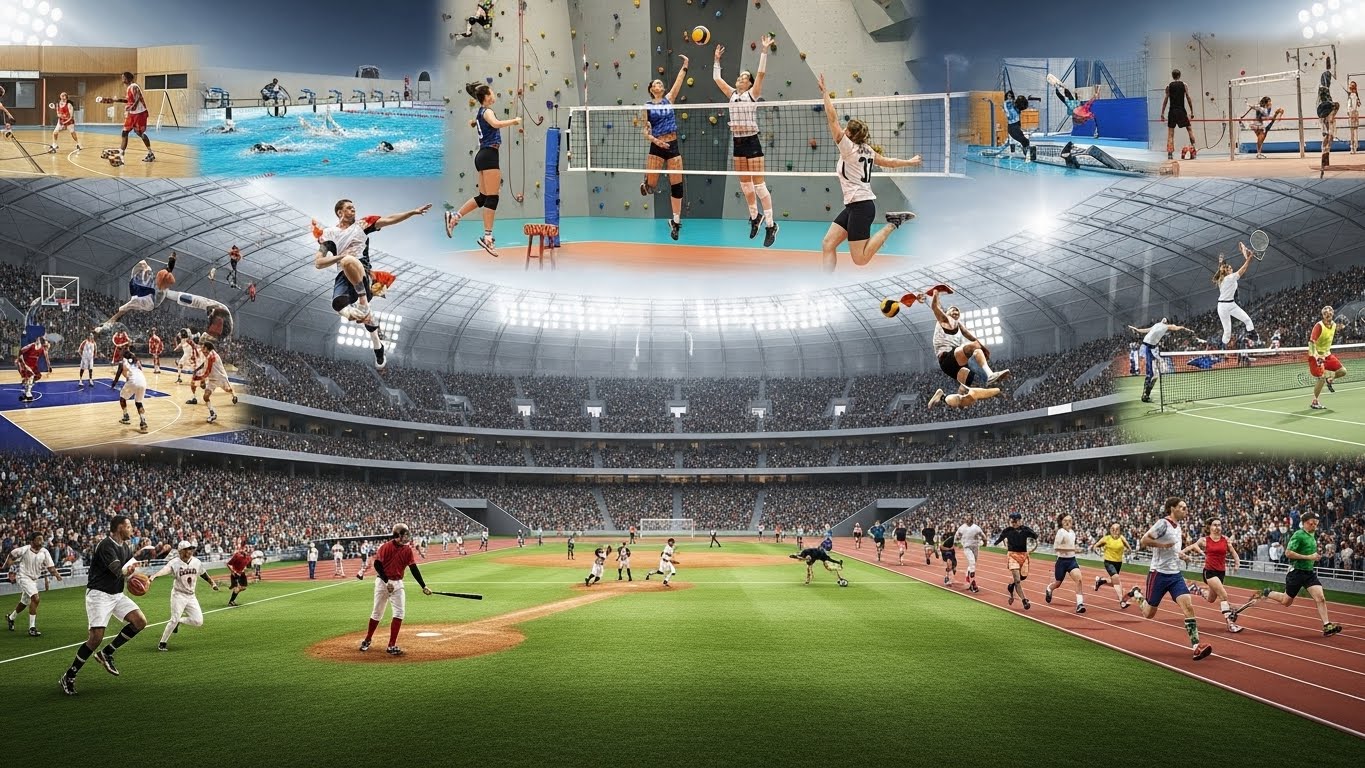
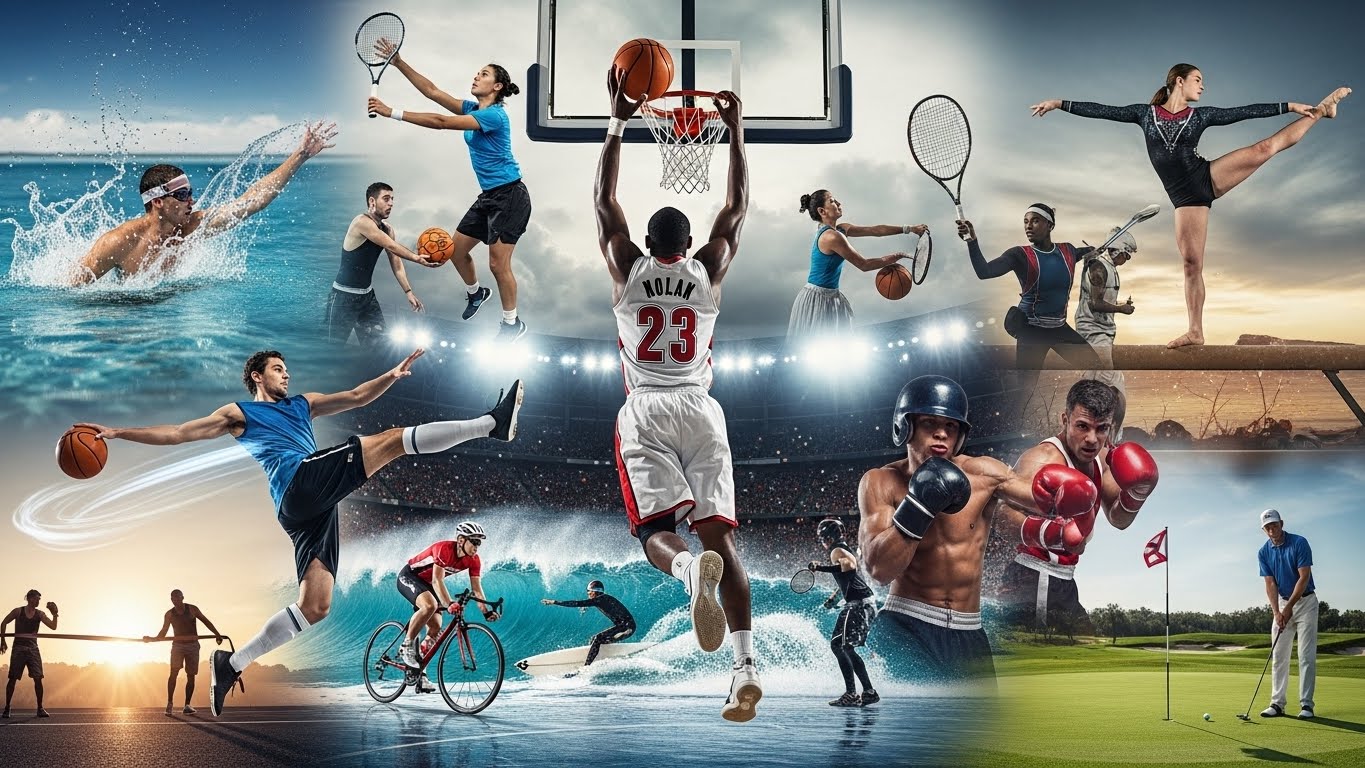
Sports have always been more than just games. They are a reflection of human ambition, discipline, and creativity. From the thrill of competition to the joy of personal achievement, sports influence our physical, mental, and social well-being. They bring communities together, inspire individuals, and even drive societal change. In this blog, we explore the multifaceted role of sports in modern life, their benefits, and the ways they continue to shape culture and society.
The Origins and Evolution of Sports
Sports have existed in some form since ancient civilizations. Early humans engaged in physical contests such as running, wrestling, and spear-throwing to test strength and skill. Organized sports began to take shape in societies like Ancient Greece, where the Olympic Games celebrated athletic prowess, competition, and community.
Over centuries, sports evolved into structured competitions with standardized rules. Football, cricket, basketball, tennis, and many other sports developed professional leagues and international tournaments. The rise of media and technology further amplified the reach and influence of sports, turning them into global spectacles that unite fans across continents.
Physical Benefits of Sports
The most immediate and obvious impact of sports is on physical health. Regular participation strengthens muscles, improves cardiovascular fitness, enhances flexibility, and boosts endurance. Sports like swimming, running, and cycling help maintain a healthy weight, while team sports such as basketball and soccer improve coordination and agility.
Sports also encourage lifelong habits of physical activity. Children who play sports are more likely to continue exercising into adulthood. Engaging in regular physical activity reduces the risk of chronic diseases such as diabetes, hypertension, and heart conditions. Beyond the body, sports contribute to a sense of vitality and energy that enhances overall quality of life.
Mental Benefits of Sports
Sports offer significant mental health advantages. Participation in sports fosters focus, concentration, and strategic thinking. Athletes must anticipate opponents’ moves, make quick decisions, and adapt to rapidly changing situations. These cognitive skills extend beyond the field and are valuable in everyday life.
Sports also reduce stress and anxiety. Physical activity stimulates the production of endorphins, chemicals that improve mood and promote feelings of well-being. Achieving personal or team goals builds confidence and resilience. Sports teach individuals to handle both victory and defeat with grace, helping to develop emotional intelligence and mental toughness.
Teamwork and Leadership
One of the greatest lessons sports impart is the importance of teamwork. In team sports, players must communicate effectively, trust one another, and work toward a common objective. This collaboration mirrors real-life scenarios where cooperation and coordination are essential for success.
Leadership is another crucial skill developed through sports. Captains and senior players guide and motivate their teams, making decisions under pressure and inspiring others to perform at their best. Even without formal titles, athletes learn how to take initiative, influence outcomes, and support those around them, skills that are highly transferable to professional and personal contexts.
Sports and Social Connection
Sports play a vital role in building social connections. Local leagues, school teams, and recreational clubs bring people together, fostering community engagement. Fans gather to watch matches, celebrate victories, and commiserate over losses, creating shared experiences and memories.
Sports can also transcend cultural, social, and political boundaries. International competitions like the Olympics and World Cup showcase global unity, while grassroots initiatives in marginalized communities promote inclusion and social cohesion. In many ways, sports act as a social glue, connecting people through shared passion and mutual respect.
Cultural Impact of Sports
Sports are deeply woven into the fabric of culture. They reflect societal values, historical traditions, and regional identities. National teams become symbols of pride, and victories on the global stage evoke a sense of collective achievement.
Traditional sports preserve cultural heritage, from sumo wrestling in Japan to cricket in India. Major sporting events influence fashion, music, and media, shaping trends and social discourse. Sports also foster cultural exchange, exposing audiences to different countries, practices, and philosophies, promoting understanding and appreciation of diversity.
Sports as a Platform for Change
Sports have long been a catalyst for social and political change. Athletes have used their visibility to challenge injustice, advocate for equality, and promote social awareness. Iconic figures like Jackie Robinson, Billie Jean King, and Muhammad Ali demonstrated that sports could transcend entertainment, becoming a platform for progress.
Community sports programs also empower marginalized groups. Providing access to training, equipment, and competitions cultivates confidence, discipline, and ambition in young people. By creating opportunities where they might otherwise be limited, sports contribute to societal development and equality.
The Role of Technology in Modern Sports
Technology has revolutionized both the playing and viewing of sports. Advanced equipment enhances performance, while data analytics allow athletes and coaches to refine strategies and improve outcomes. Wearable devices monitor health, performance, and recovery, optimizing training and reducing the risk of injury.
Broadcasting innovations and streaming platforms have transformed how fans engage with sports. Instant replays, multiple camera angles, and real-time statistics make spectators feel closer to the action than ever before. Technology has also expanded global access to sports, connecting fans and players from different regions and cultures.
Inspiring Stories of Athletes
Perhaps the most compelling aspect of sports is the human story. Every athlete has a journey of dedication, perseverance, and sacrifice. Many overcome physical limitations, personal challenges, and societal obstacles to achieve excellence. These stories inspire fans and teach important life lessons about determination, resilience, and the pursuit of excellence.
Athletes serve as role models, motivating young people to pursue their passions and dream beyond limitations. The lessons learned through sports—discipline, focus, and the value of hard work—extend far beyond the playing field.
Sports for All Ages
Sports are not just for professional athletes; they are accessible to people of all ages. Children develop coordination, confidence, and social skills through participation. Adults benefit from fitness, stress relief, and social interaction. Seniors find that gentle sports and physical activity improve mobility, mental sharpness, and quality of life.
Recreational sports, community leagues, and casual games ensure that sports remain inclusive and lifelong activities. The ability to participate regardless of age or skill level reinforces the idea that sports are a universal form of engagement and enjoyment.
The Future of Sports
The future of sports is evolving rapidly, driven by technology, globalization, and shifting cultural values. Virtual reality, wearable tech, and analytics will continue to transform training and performance. Esports and digital competitions are merging with traditional sports, creating new hybrid forms of engagement.
Sports will continue to be a platform for social change, education, and cultural exchange. By promoting physical health, mental well-being, and community connection, sports will remain a vital part of human society for generations to come.
Conclusion: The Enduring Power of Sports
Sports are more than just games—they are a reflection of human ambition, skill, and connection. They shape bodies and minds, foster teamwork and leadership, and unite communities across cultures. Sports inspire personal growth, offer pathways to social and economic opportunity, and influence culture on a global scale.
From the joy of participation to the thrill of professional competition, sports impact every aspect of life. They teach resilience, discipline, and empathy, creating lessons that extend far beyond the field, court, or track. The enduring power of sports lies not only in their ability to entertain but in their capacity to transform individuals and society, proving that the spirit of competition is one of humanity’s most enduring and universal strengths.