
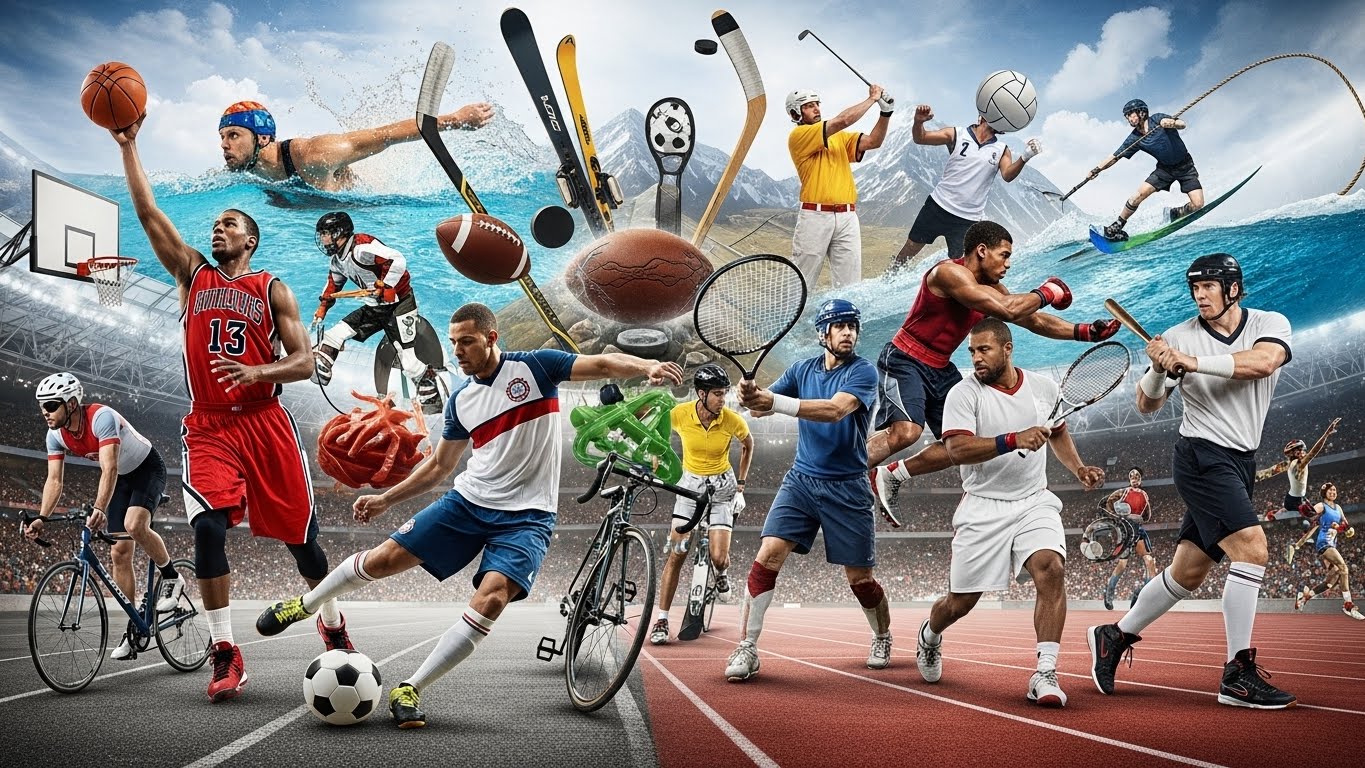
Introduction: Sports as a Universal Language
Sports are far more than competitions and physical activity—they are a universal language that transcends cultures, geographies, and generations. They inspire, challenge, and unite people from all walks of life. From local school playgrounds to international stadiums, sports have a unique power to engage emotions, teach life lessons, and foster a sense of community. In today’s fast-paced world, where stress and routine dominate daily life, sports provide a healthy outlet for energy, a platform for self-expression, and a source of joy. This blog explores the significance of sports in personal growth, society, culture, and global communities, highlighting why they are integral to our lives.
The Evolution of Sports: From Ancient Games to Modern Competitions
Humans have been drawn to sports for thousands of years. In ancient civilizations, athletic activities were not merely recreational—they were deeply intertwined with culture, religion, and social hierarchy. The Olympic Games of ancient Greece celebrated strength, skill, and honor, while traditional martial arts in Asia taught discipline and respect. Early sports were often rituals, testing courage and endurance, preparing people for challenges in daily life, or serving as entertainment during festivals.
With the passage of time, sports evolved into organized competitions governed by clear rules. Modern sports like football, cricket, basketball, tennis, and athletics emerged in the 19th and 20th centuries, creating platforms for professional competition and global engagement. Today, sports are not only games but also cultural phenomena, bringing people together worldwide, transcending language and nationality, and uniting fans in shared experiences.
Physical Benefits of Sports
The most apparent advantage of sports is its impact on physical health. Engaging in regular sports activity strengthens muscles, improves cardiovascular health, and enhances flexibility and coordination. It promotes endurance, balance, and agility, all essential components of overall fitness. Sports also reduce the risk of chronic illnesses such as obesity, diabetes, and heart disease.
Beyond physical health, sports cultivate healthy lifestyle habits. Athletes often follow structured routines that include proper nutrition, rest, and focused training. Even casual participation in sports such as jogging, swimming, or cycling encourages active living, promoting long-term wellness and energy. Sports, therefore, are a cornerstone of a healthy body and a vibrant life.
Mental Health and Emotional Growth Through Sports
Sports are not only a physical pursuit—they are profoundly beneficial for mental well-being. Physical activity triggers the release of endorphins, hormones that naturally improve mood and reduce stress. Engaging in sports provides an outlet for frustration, anxiety, and tension, helping individuals maintain emotional balance.
Team sports, in particular, foster social interaction, empathy, and resilience. Athletes learn to handle both success and failure, developing patience, perseverance, and emotional intelligence. The sense of accomplishment derived from achieving goals, winning matches, or overcoming obstacles enhances self-confidence and encourages a positive mindset. Sports, therefore, nurture mental toughness, preparing individuals to face challenges both on and off the field.
Teamwork and Leadership Skills in Sports
One of the most valuable lessons sports teach is teamwork. Success in team-based sports such as football, cricket, or basketball requires cooperation, communication, and trust. Players must work together to achieve shared objectives, making strategic decisions under pressure. These experiences translate into essential life skills, including collaboration, problem-solving, and effective communication.
Leadership also naturally emerges in sports. Captains and coaches guide their teams, motivate players, and make strategic choices during critical moments. Athletes develop leadership qualities such as accountability, decision-making, and the ability to inspire others. These skills extend beyond sports into careers, academics, and personal life, illustrating how sports shape character and responsibility.
Sports as a Cultural and Social Phenomenon
Sports have always been a reflection of culture and society. National leagues, international tournaments, and local competitions showcase regional identity, pride, and tradition. Major events such as the Olympic Games or the FIFA World Cup unite millions of people globally, creating shared experiences and fostering national pride.
At a community level, sports strengthen social bonds. Youth leagues, neighborhood tournaments, and school competitions provide opportunities for interaction, mentorship, and community engagement. Sports create a sense of belonging, teaching values such as fairness, respect, and solidarity. They serve as a platform for cultural exchange and social cohesion, reminding us that sports are as much about people as they are about the game.
The Economic Significance of Sports
Sports also play a crucial role in the global economy. Professional leagues, tournaments, and international events generate revenue through ticket sales, broadcasting rights, merchandise, and sponsorships. The sports industry creates employment for athletes, coaches, referees, event organizers, and support staff, contributing significantly to local and global economies.
Innovation in sports technology, equipment, and infrastructure has further enhanced the industry’s economic impact. From stadium construction to wearable fitness devices, sports drive advancements that affect multiple sectors. The economic footprint of sports extends beyond the games themselves, demonstrating their value as both entertainment and industry.
Inspirational Stories: Athletes Who Change the World
Athletes are often role models whose stories inspire millions. Many overcome personal and societal obstacles to achieve greatness, showing that perseverance, dedication, and passion can triumph against all odds. These narratives highlight that sports are not only about physical skill but also about mental fortitude and resilience.
Beyond performance, many athletes use their platforms to advocate for social causes, equality, and humanitarian efforts. By inspiring young generations and raising awareness about global issues, athletes demonstrate that the influence of sports extends far beyond the playing field. Sports, in this way, become a catalyst for positive social change.
Technology and the Future of Sports
The future of sports is being reshaped by technological innovation. Performance analysis, wearable devices, and artificial intelligence are enhancing athletic training and injury prevention. Fans can now experience games through virtual reality, interactive apps, and immersive broadcasts, making sports more engaging than ever.
Emerging technologies also provide opportunities for data-driven coaching, improved fan engagement, and more accessible participation. Technology does not replace the essence of sports; instead, it enhances its reach and experience, allowing both athletes and fans to connect with the game on unprecedented levels.
Sports and Personal Development
Engaging in sports is a journey of self-discovery and personal growth. It teaches discipline, time management, goal setting, and perseverance. Athletes learn to push their limits, develop resilience, and embrace challenges as opportunities for growth. Even amateur participants gain confidence, social skills, and a sense of achievement through sports.
For young people, sports are particularly transformative. They provide a constructive outlet for energy, promote healthy competition, and instill values that guide them throughout life. The lessons learned in sports—from respecting opponents to celebrating teamwork—remain relevant long after the game ends.
Conclusion: Sports as a Pillar of Life
Sports are more than entertainment—they are a reflection of human potential, creativity, and determination. They teach discipline, teamwork, leadership, and resilience while promoting physical and mental health. Sports unite communities, foster cultural exchange, and inspire generations to pursue excellence.
From local playgrounds to international stadiums, sports continue to shape lives, build character, and create unforgettable experiences. They remind us that life is about effort, perseverance, and the joy of participation. Beyond the thrill of competition, sports serve as a lifelong teacher, guiding us to strive for greatness, embrace challenges, and celebrate every victory, big or small.
In every game played, every record broken, and every athlete who dreams of excellence, sports prove that the human spirit is limitless. They are not just activities—they are a way of life, a source of inspiration, and a testament to the enduring power of passion, discipline, and unity.