
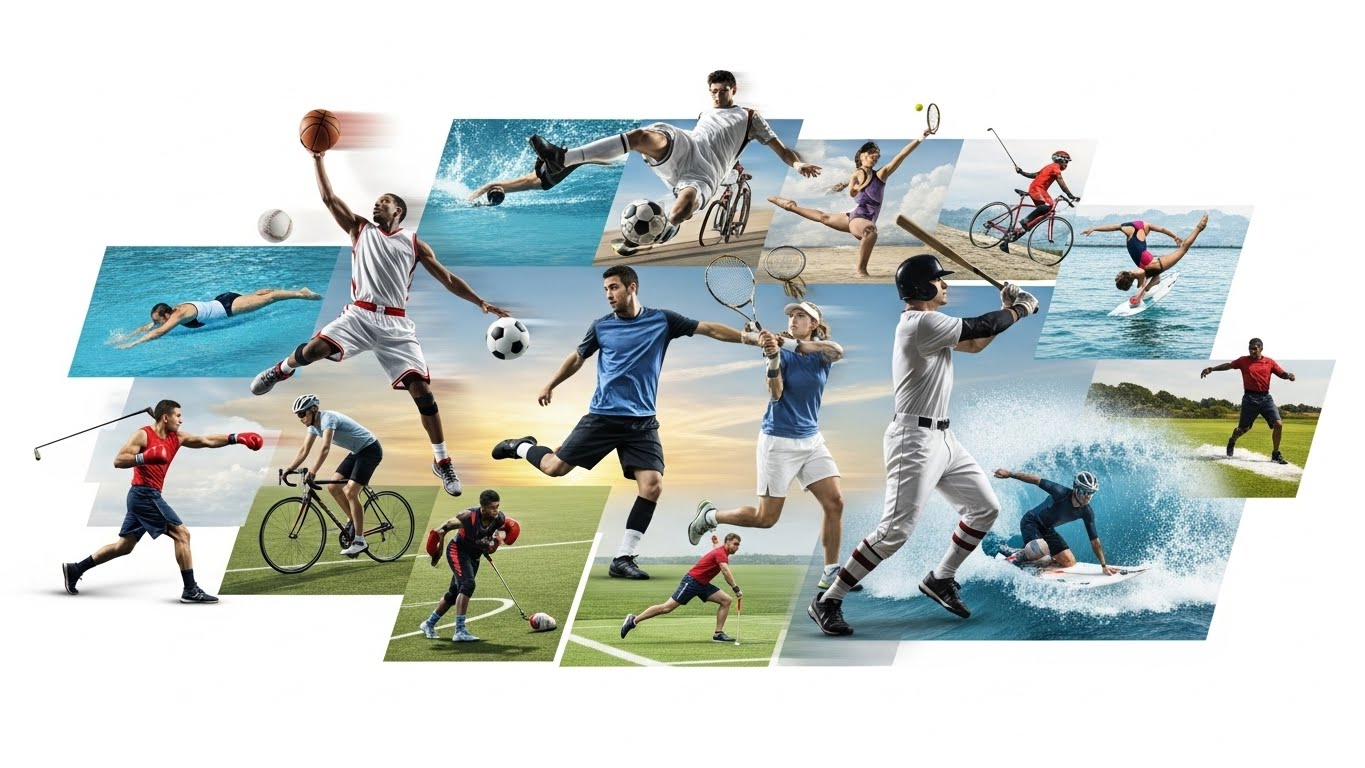
Sports have always been an intrinsic part of human civilization, spanning cultures, countries, and communities. From the ancient Olympic Games in Greece to the modern-day international competitions, sports unite people in ways that transcend boundaries. But beyond the thrilling victories, heart-wrenching losses, and moments of pure magic, there is much more to the world of sports than meets the eye. This blog delves into the various facets of the sports world—competition, passion, challenges, and how it influences personal development and societal change.
The Universal Language of Sports
Sports have an undeniable power to bring people together. Regardless of cultural background, socioeconomic status, or nationality, the love for a game or competition often bridges divides and fosters a sense of belonging. Whether it’s a street game of football in the back alleys of a small town or a high-profile international match in a grand stadium, the language of sports remains universal.
This global reach of sports is especially evident in major international events like the FIFA World Cup, the Olympic Games, and the ICC Cricket World Cup. These tournaments attract billions of viewers worldwide, with people from every corner of the globe coming together to cheer for their teams. The collective emotion that is shared during these events creates a bond between individuals who might otherwise have nothing in common.
For athletes, sports represent more than just competition—they are an opportunity to showcase their skills, discipline, and the fruits of years of hard work. For fans, they are a source of joy, pride, and sometimes even heartbreak. This shared passion makes sports more than just a pastime; it becomes a cultural phenomenon that defines national identities and creates lasting memories.
The Thrill of Competition
At the heart of every sport is competition. From the grassroots level to the professional arena, competition drives athletes to push their limits and achieve greatness. It is not only about winning but also about testing one’s abilities against others. The adrenaline rush that comes with facing an opponent, whether it’s a single adversary or a team, is what makes sports so exhilarating.
This competitive spirit is not limited to physical sports alone. Mental sports, such as chess or eSports, provide a different yet equally intense form of competition. In these domains, the game is as much about strategy and mental agility as it is about physical prowess. The importance of competition in sports lies in its ability to inspire athletes to continuously improve, innovate, and reach new heights.
For many, the desire to compete is deeply ingrained in their psyche. From an early age, children are taught the value of winning, but more importantly, they are taught the significance of resilience, sportsmanship, and the lesson that competition is about self-improvement as much as it is about defeating others. As athletes progress in their careers, competition becomes not just about external rivals but also about surpassing their own limitations.
Passion: The Driving Force Behind Success
Passion is often considered the fuel that powers athletes to reach the pinnacle of their sport. It’s the unyielding desire to improve, the fire that burns deep within an individual, and the reason why athletes are willing to endure grueling hours of training, sacrifice personal time, and push their bodies to their physical limits.
The passion for sports is not just about winning titles or breaking records; it’s about the pursuit of excellence and the joy of the game. For athletes like Michael Jordan, Serena Williams, and Usain Bolt, their success is a testament to the passion they have for their respective sports. But it’s also their passion that enables them to overcome adversity, face challenges head-on, and maintain a level of commitment that many could not even fathom.
Passion in sports is also evident in fans. The excitement that fans bring to a stadium or to their living rooms is unmatched. They wear their team’s colors, shout at the top of their lungs, and live and breathe every moment of the game. A fan’s passion for their team or athlete is sometimes even more intense than the athlete’s own drive for success, creating a symbiotic relationship between the two.
Moreover, passion in sports can often transcend the game itself. It has the power to uplift entire communities, motivate young people to follow their dreams, and inspire others to take up sports in the first place. The ripple effect of passion in sports can be seen in the way it influences society at large.
Overcoming Adversity: The Mental and Physical Challenges
While sports are often celebrated for their entertainment value, they are also a crucible for personal growth and perseverance. The physical and mental challenges faced by athletes are immense. Whether it’s a professional football player recovering from a career-threatening injury, a tennis player battling against self-doubt, or a swimmer pushing through exhaustion, the journey is rarely smooth.
Athletes are often seen as symbols of physical perfection, but the reality is that they face immense pressure to perform at the highest level. Many elite athletes deal with the mental strain of competition, such as performance anxiety, the fear of failure, and the constant pressure to meet expectations. Behind their successes are years of mental fortitude, therapy, and coping mechanisms that help them stay focused and motivated.
The physical toll of sports is also undeniable. From broken bones to torn muscles, athletes experience pain and discomfort that most people will never understand. However, it is this resilience—the ability to push through pain and continue performing at the highest level—that makes sports so captivating. Every athlete, regardless of their discipline, faces some form of adversity, but it is how they respond to these challenges that defines them as champions.
The Role of Sports in Personal Development
Sports play a significant role in personal development, not just for athletes, but for anyone who participates in physical activities. The skills learned on the field—teamwork, leadership, discipline, time management, and resilience—are transferable to other areas of life, such as career and relationships.
For young people, sports can serve as a powerful tool for character development. Through sports, children learn the importance of hard work, goal setting, and overcoming obstacles. They develop social skills through teamwork and learn how to deal with both victory and defeat gracefully. These life lessons are invaluable, as they help shape a person’s character and work ethic.
Even for adults, sports provide a means to develop leadership skills. Whether coaching a local team or taking part in a corporate sports league, sports encourage individuals to step up and take charge, motivating others toward a common goal. The leadership qualities that are nurtured in these settings are often mirrored in other professional and personal aspects of life.
The Global Impact of Sports
Sports have an enormous impact on society, both on a global and local scale. They have the ability to foster national pride, create economic opportunities, and even influence politics. Sporting events, especially international tournaments, generate significant revenue for host countries and can have a lasting impact on infrastructure, tourism, and local economies.
In addition, sports serve as a platform for addressing social issues. Athletes have long used their positions of influence to raise awareness about political causes, human rights, and environmental concerns. Icons like Muhammad Ali, Colin Kaepernick, and Jackie Robinson have used their fame to challenge societal norms and fight for equality.
Sports also play a crucial role in fostering international relations. Events like the Olympics and the World Cup allow countries to come together and compete in the spirit of peace and unity. Even when political tensions run high, sports offer a rare opportunity for nations to set aside differences and showcase the values of fairness, respect, and mutual understanding.
Conclusion: The Ever-Evolving World of Sports
The world of sports is dynamic, ever-changing, and full of opportunities for growth. It has the power to bring people together, inspire greatness, and offer life lessons that extend far beyond the field of play. The passion, competition, and resilience that define sports create a profound impact on both the individual and society at large.
Whether you’re an athlete striving for excellence or a fan cheering from the stands, sports offer something for everyone. It is a celebration of the human spirit—our capacity to push boundaries, overcome obstacles, and come together in pursuit of a common goal. In this ever-evolving world of sports, one thing remains clear: the love for the game is timeless, and its ability to shape lives and communities will continue to resonate for generations to come.