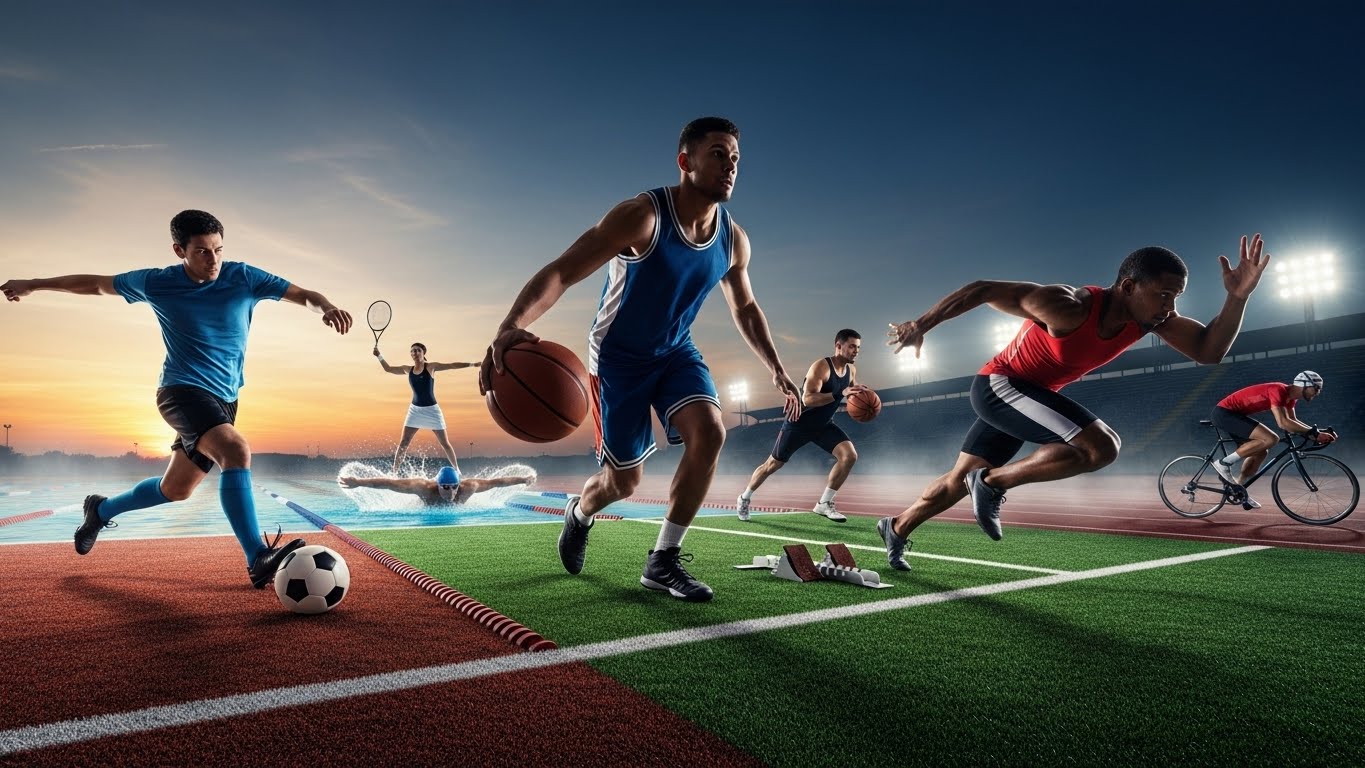

Sports have always held a special place in the heart of every society. From ancient gladiators in the Roman arenas to today’s multi-billion dollar professional leagues, the role of sports has evolved far beyond mere entertainment. But, what is it about sports that makes them such a powerful force in human culture? It’s more than just the thrill of victory or the agony of defeat. Sports have a profound impact on physical health, mental well-being, community bonding, and even global diplomacy. In this blog post, we explore the many ways in which sports shape our world.
The Role of Sports in Physical Health
When most people think of sports, the first thing that comes to mind is usually physical fitness. Whether it’s playing basketball, running marathons, or swimming, sports are an excellent way to keep our bodies active and healthy. Regular physical activity helps improve cardiovascular health, builds strength, enhances flexibility, and supports a healthy weight.
However, the impact of sports goes beyond just the physical. Studies have shown that people who engage in sports tend to live longer, healthier lives. This is because exercise releases endorphins, known as the “feel-good” hormones, which reduce stress and promote overall mental wellness.
Mental Health Benefits of Sports
It’s no secret that mental health is a growing concern in today’s world. Many people struggle with stress, anxiety, and depression, and sports offer a unique avenue for coping. When engaged in physical activities, the body produces endorphins that help alleviate symptoms of stress and anxiety. Furthermore, sports teach valuable life skills such as discipline, patience, teamwork, and perseverance, which are essential for mental resilience.
Engaging in a team sport, in particular, fosters a sense of belonging and purpose. Teamwork and camaraderie provide emotional support that can significantly reduce feelings of isolation or loneliness. Even for individual athletes, sports offer an outlet for self-expression, focus, and achievement, which can boost confidence and self-esteem.
Sports as a Catalyst for Community
Sports have the remarkable ability to bring people together, regardless of their background, culture, or nationality. Whether it’s a local soccer match, an international event like the FIFA World Cup, or a local community baseball league, sports create shared experiences that unite people. They provide a common language, breaking down barriers and allowing individuals to connect on a deeper level.
In cities and towns across the world, sports leagues and local teams foster a sense of community pride. Spectators feel connected to their teams, and in turn, athletes find inspiration from their supporters. This bond between players and fans is a testament to how sports transcend simple competition. They become a source of pride, identity, and collective joy.
The Global Impact: Sports Diplomacy
On a larger scale, sports play a role in international relations and diplomacy. Global sporting events, such as the Olympic Games or the FIFA World Cup, often provide countries with an opportunity to come together, put aside differences, and celebrate human achievement. In fact, sports have a long history of uniting countries even during times of political tension.
One of the most famous examples of this was the “Ping Pong Diplomacy” in the 1970s, where the U.S. and China used the sport of table tennis as a platform for improving relations during the Cold War. More recently, South Korea’s hosting of the 2018 Winter Olympics was hailed as an example of how sports can foster peace, as it facilitated historic dialogues between North and South Korea.
The Power of Sports in Youth Development
Perhaps one of the most significant contributions sports make is in the development of young people. Sports offer children and teenagers the chance to learn valuable life skills such as teamwork, leadership, and goal-setting. These experiences help them develop confidence, discipline, and a sense of responsibility.
Beyond the personal growth that sports encourage, they also provide a structure and routine for young people, which can deter them from engaging in negative behaviors. Coaches and mentors often become role models, providing guidance and encouragement in ways that can positively shape a young person’s future.
The Economic Influence of Sports
While the societal impact of sports is often discussed, the economic influence of sports is just as significant. Sports leagues, tournaments, and events generate billions of dollars in revenue, from ticket sales and merchandise to broadcasting rights and sponsorships. This industry provides millions of jobs worldwide, ranging from athletes and coaches to marketers, broadcasters, and event planners.
Moreover, sports tourism is a thriving market, with millions of fans traveling to international competitions each year. Major sporting events like the Super Bowl, the Olympic Games, and the UEFA Champions League Final can boost local economies by attracting tourists, creating jobs, and generating revenue for businesses.
Conclusion
Sports are much more than a competitive activity. They are a force that binds individuals, communities, and nations together. From fostering physical and mental health to providing economic opportunities, sports shape nearly every aspect of modern life. The next time you watch a game or participate in a match, remember that you are engaging in something far greater than just a pastime; you are part of a global phenomenon with the power to bring about change, unity, and growth.
In a world often divided by differences, sports provide the unique ability to bring people together, celebrate shared victories, and create lasting connections. So, lace up your sneakers, pick up that ball, and get ready to experience the magic of sports—there’s much more to it than meets the eye.