
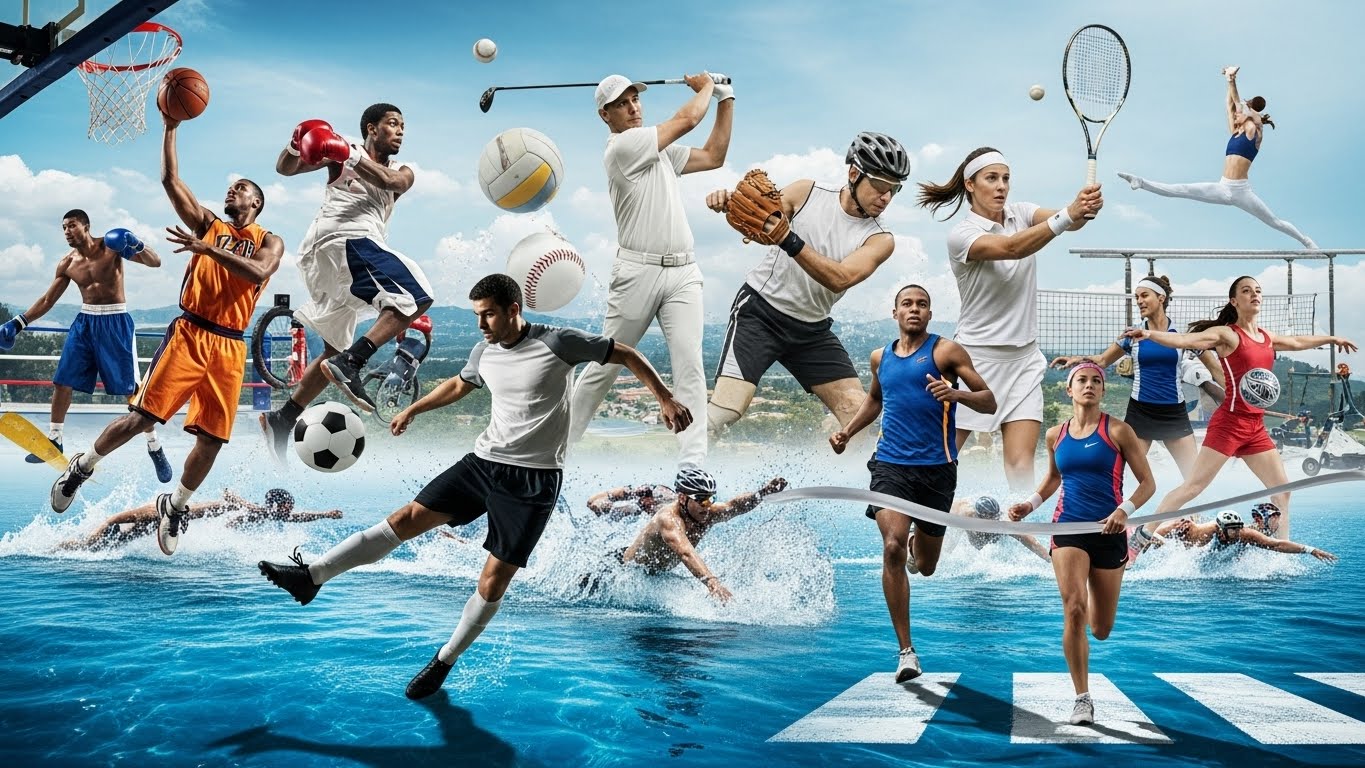
Sports have always been far more than just games. Whether played on a dusty neighborhood ground or under the bright lights of a roaring stadium, sports influence our bodies, minds, relationships, and communities. Yet many people only see the scoreboard, the trophies, or the highlight moments. In reality, sports weave themselves deeply into culture and personal growth in ways we often overlook. This blog explores the broader impact of sports and why they remain an essential part of human life, generation after generation.
The Universal Language of Sports
One of the most fascinating aspects of sports is their ability to unify people who share almost nothing else in common. Different languages, cultures, or beliefs dissolve when people gather to cheer for a team or participate in a match. A simple game of football or basketball can create instant connections between strangers.
Sports act as a universal language because the rules, emotions, and gestures are understood worldwide. Even without words, a smile after a great play or the disappointment after a missed goal is recognizable in any culture. This ability to communicate beyond words makes sports one of the most powerful tools for building unity and fostering relationships.
Sports as a Powerful Teacher of Life Skills
Beyond physical strength and athletic skill, sports teach some of the most valuable life lessons. For young children especially, sports are often their first exposure to concepts like leadership, teamwork, discipline, and time management.
Learning to Work as a Team
No matter the sport, teamwork is a constant theme. Players learn how to trust one another, communicate effectively, and understand that success rarely comes from one individual alone. These skills translate directly into personal life, school, and future careers.
The Value of Discipline and Consistency
Sports demand practice, repetition, and dedication. Athletes quickly discover that improvement requires consistent effort, even on days when motivation feels low. This builds discipline, a skill essential for achieving long-term goals in life.
Handling Wins and Losses Gracefully
Perhaps the most important lesson sports teaches is how to deal with failure. In a world that increasingly promotes perfection, sports offer a realistic understanding that losing is not the end but part of the journey. Athletes develop resilience, learning to bounce back stronger while also celebrating victories with humility.
Mental Health Benefits That Go Beyond Fitness
Most people associate sports with fitness and physical health, but the mental health benefits are just as significant. Engaging in sports releases natural feel-good chemicals that reduce stress and boost mood.
Reducing Anxiety and Stress
Physical activity helps regulate hormones and clear the mind. Even a casual game with friends can serve as an emotional reset, reducing tension accumulated from daily responsibilities.
Building Confidence and Self-Worth
Achieving milestones in sports, such as learning a new skill or improving performance, gives athletes confidence. This sense of achievement extends into other areas of life, allowing individuals to believe in their capabilities and tackle challenges with courage.
Strengthening Focus and Concentration
Sports often require quick decision-making, strategic thinking, and mental alertness. Over time, athletes develop sharper focus, which helps with academic performance, professional tasks, and personal organization.
The Impact of Sports on Community and Society
Sports are one of the few activities that can influence entire communities. From large sporting events to local matches, people gather, celebrate, and share emotional experiences that strengthen social bonds.
Inspiring Future Generations
Children often look up to athletes as role models. Seeing dedication, hard work, and sportsmanship in action motivates them to cultivate similar qualities. Sports icons inspire millions to dream big and push boundaries.
Encouraging Healthy Lifestyles
Communities with active sports culture tend to adopt healthier habits. Parks, stadiums, and sports clubs create spaces where people feel encouraged to engage in physical activity regularly.
Strengthening Social Inclusion
Sports have the power to break barriers related to race, gender, or social class. Programs and teams designed for all ages and abilities allow everyone to participate, promoting inclusion and equality.
How Sports Shape National Identity
Sports can be a powerful source of national pride. Major tournaments bring people together in ways few other events can. When a national team wins, the entire country feels the triumph. Similarly, even in defeat, a shared experience strengthens unity and patriotism.
Large sporting events also highlight cultural identity. Traditional sports, national athletes, and iconic stadiums become symbols of heritage that people celebrate proudly around the world.
Technological Evolution and the Future of Sports
In the modern age, technology is transforming the world of sports. From smart wearables to advanced training methods, athletes are now stronger, faster, and more precise than ever before.
Enhanced Training and Performance Tracking
Athletes use wearable devices to monitor heart rate, stamina, speed, and fatigue. These insights help them train smarter and prevent injuries. Coaches rely on video analysis tools to break down movements and strategies with microscopic detail.
Rise of Virtual and Digital Sports
Digital platforms have introduced virtual training sessions, online competitions, and even entire digital sports leagues. This expansion allows more people to participate in sports without traditional barriers such as location or equipment limitations.
Fairer, More Accurate Gameplay
Technology like instant replay, goal-line sensors, and decision-review systems ensures fairness and accuracy in professional matches, reducing human error and improving the integrity of sports.
The Emotional Rollercoaster of Sports Fandom
Being a sports fan is an emotional experience like no other. Fans experience joy, heartbreak, adrenaline, and anticipation, often within a single match. This emotional journey keeps audiences connected and invested.
Sports fandom also builds friendships. People bond over shared victories and defeats, creating memories that last a lifetime. Whether cheering from home or celebrating in a crowd, being a fan is an experience filled with passion and unity.
Sports as a Path to Career Opportunities
Sports offer countless career paths beyond becoming a professional athlete. Coaches, sports therapists, referees, nutritionists, sports journalists, and event organizers are just a few examples.
Moreover, skills learned through sports often help individuals excel in unrelated professions. Leadership, goal-setting, communication, and perseverance are qualities highly valued in any career.
Why Sports Will Always Matter
In a rapidly changing world, sports remain one of the few constants capable of bringing people together. They push individuals to grow, teach essential values, and create unforgettable memories. Whether someone participates actively or enjoys being a fan, sports enrich life in countless ways.
They build strength not only in the body but also in the mind and spirit. They connect communities across borders and generations. And above all, they remind us that while winning is exciting, the journey, effort, and passion matter far more.
Sports will always be more than a game. They are a celebration of human potential, resilience, and unity.